Can Fish Sweat?
2022-2023
Paks, Hungary
video installation; fieldrecordings; research archive
Supervised by Dr. Ifor Duncan
Exhibited at 'Objects
in mirror are closer than they appear'
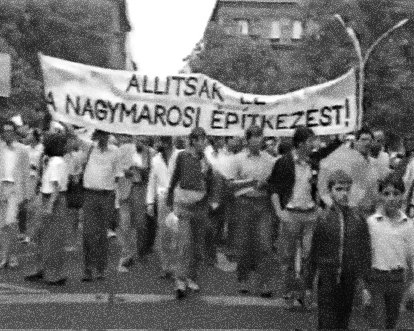
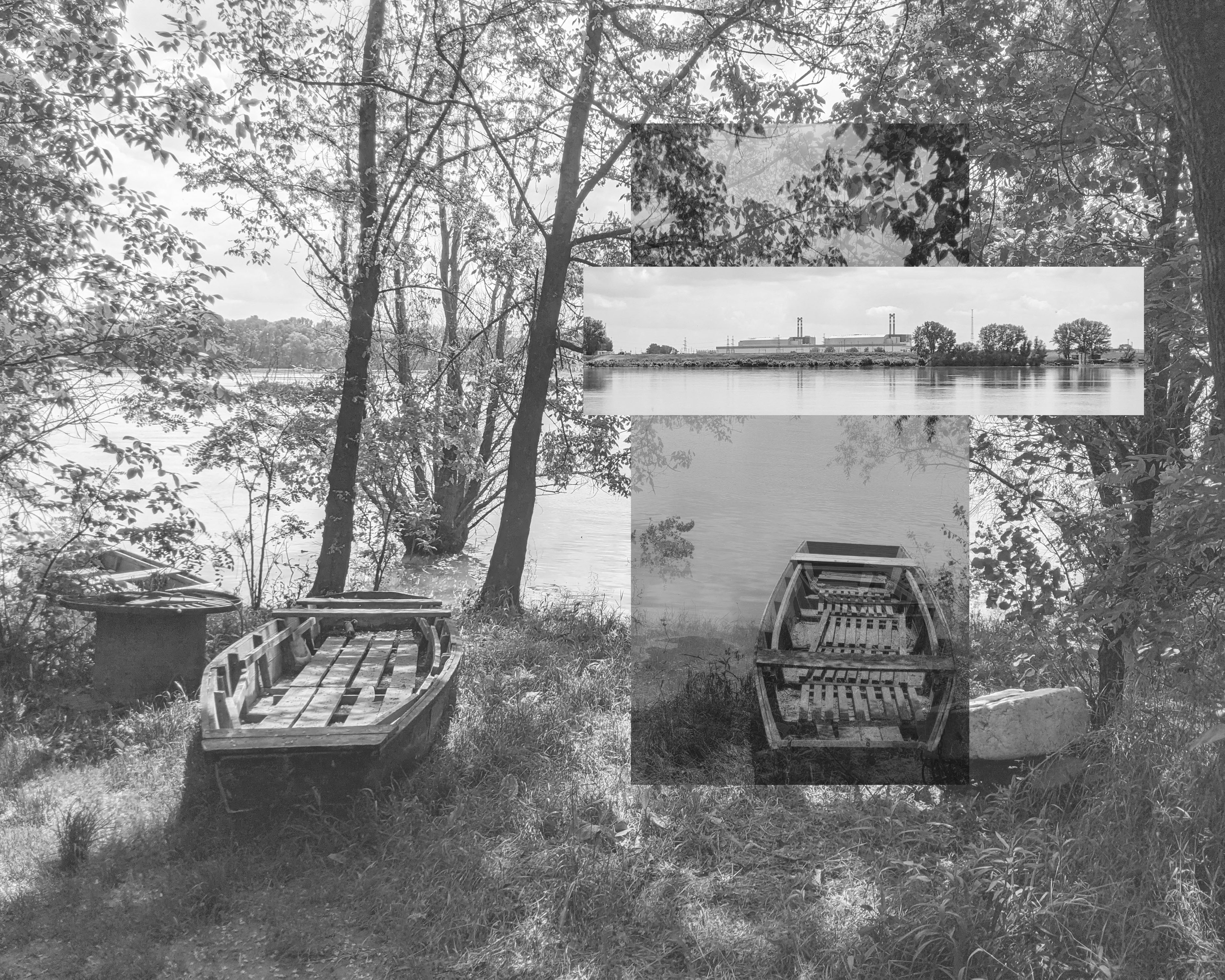
While nuclear discourse is mostly centred around the spectacular failure of technology, I turn my attention to the construction of the containment-fiction and its inconsistencies. By studying the technopolitical qualities of the Paks Nuclear Power Plant through its quasi-failures, I propose a feminist methodology for constructing an image of industrial objects that leak in ordinary and unregistered ways. The leak as method positions the power plant as an ecology of relations, counter to the stories told through the rhetoric of the Hungarian state. I employ infrastructural rumours - an uncontainable, leaky, and contagious medium - to discredit and destabilise hegemonic power through critique.
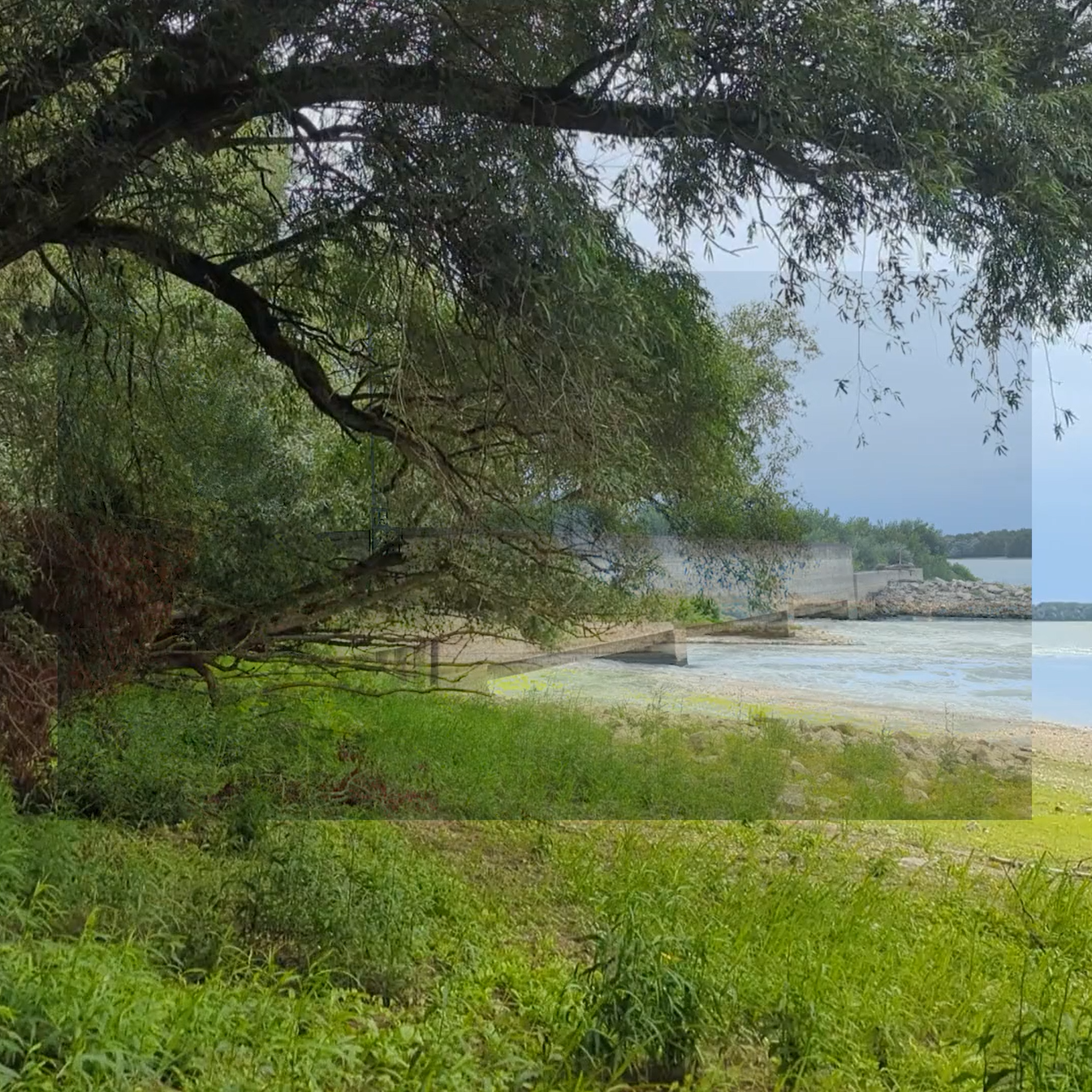
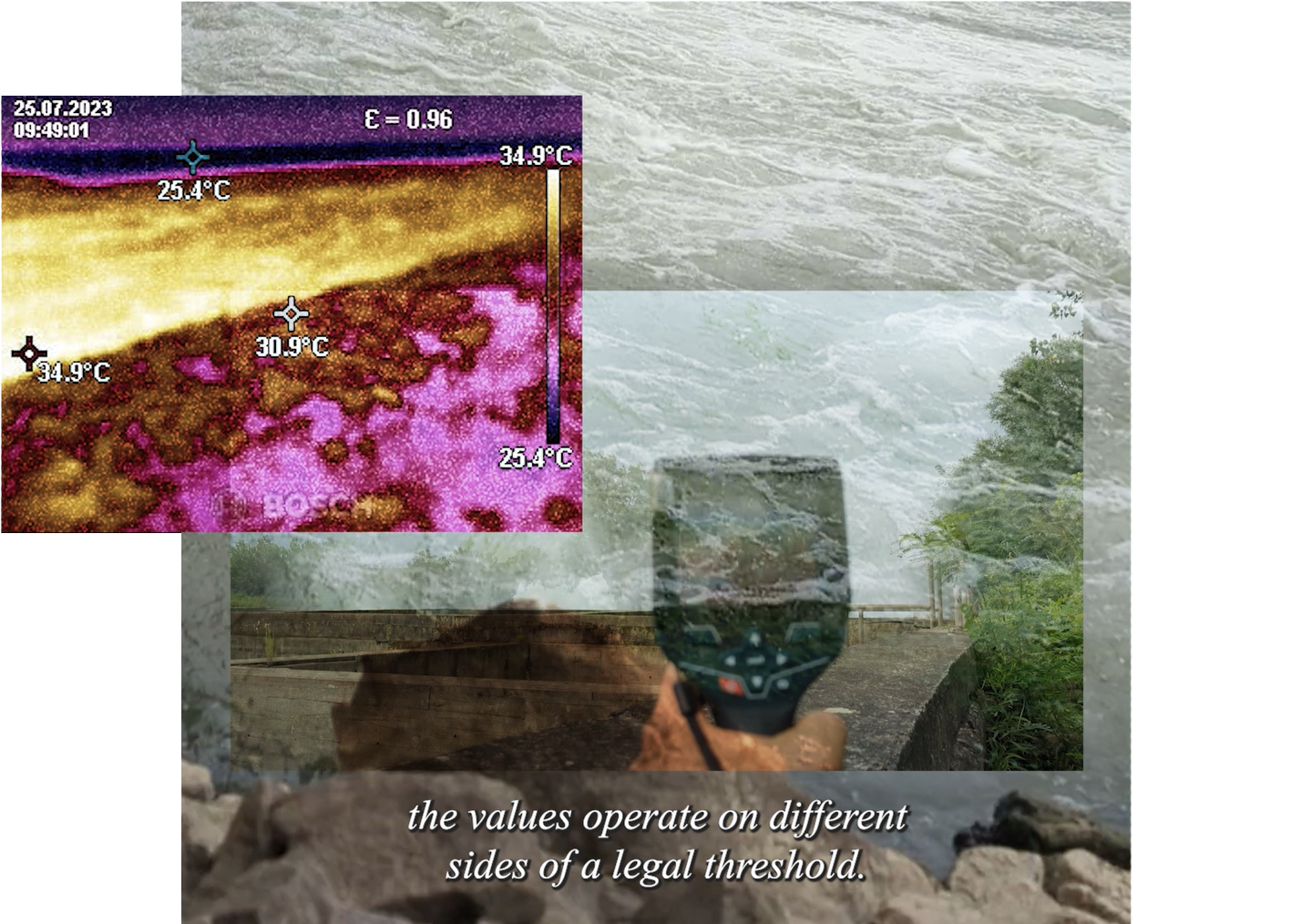
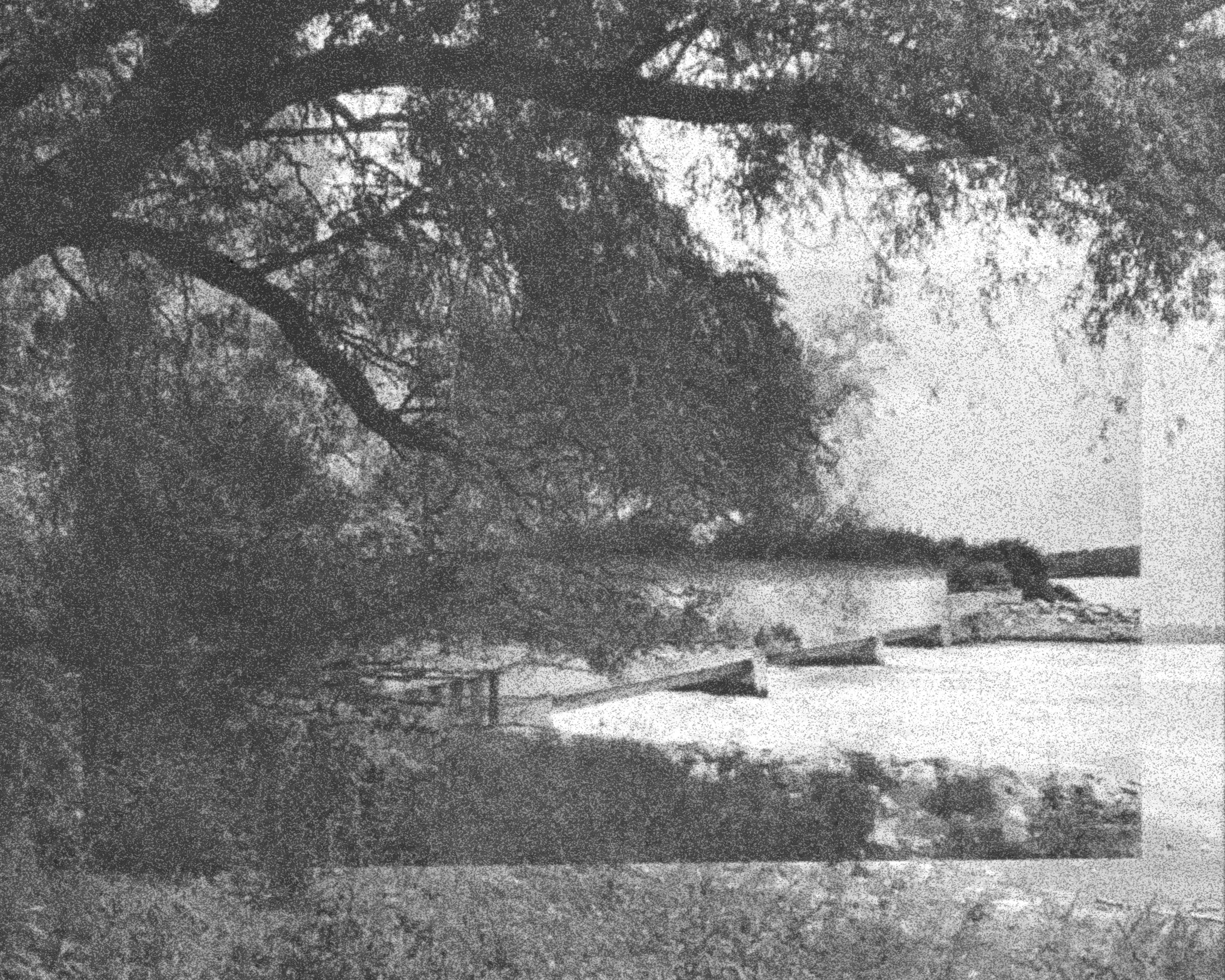
The project began with the production of an archive of incident reports, which is a collection of nuclear leaks that have not transgressed the legal threshold. An incident from the research archive served as the basis for the short film titled 'Can Fish Sweat?' The video and multi-media installation is a counter-leak that pokes holes in the containment-fiction of the Hungarian nuclear industrial complex. It is a mediation on how political power could be discredited through critique as legitimacy here hinges on perpetually renewing industrial expansion.
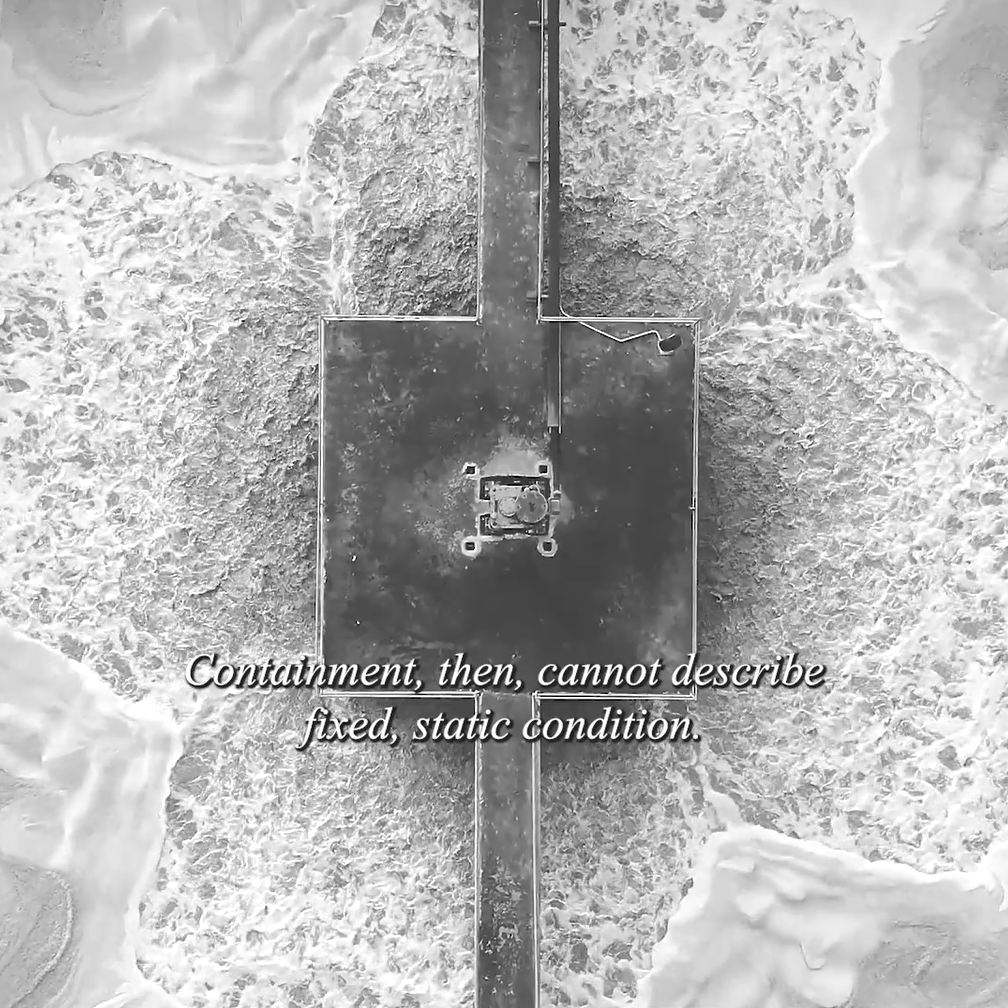
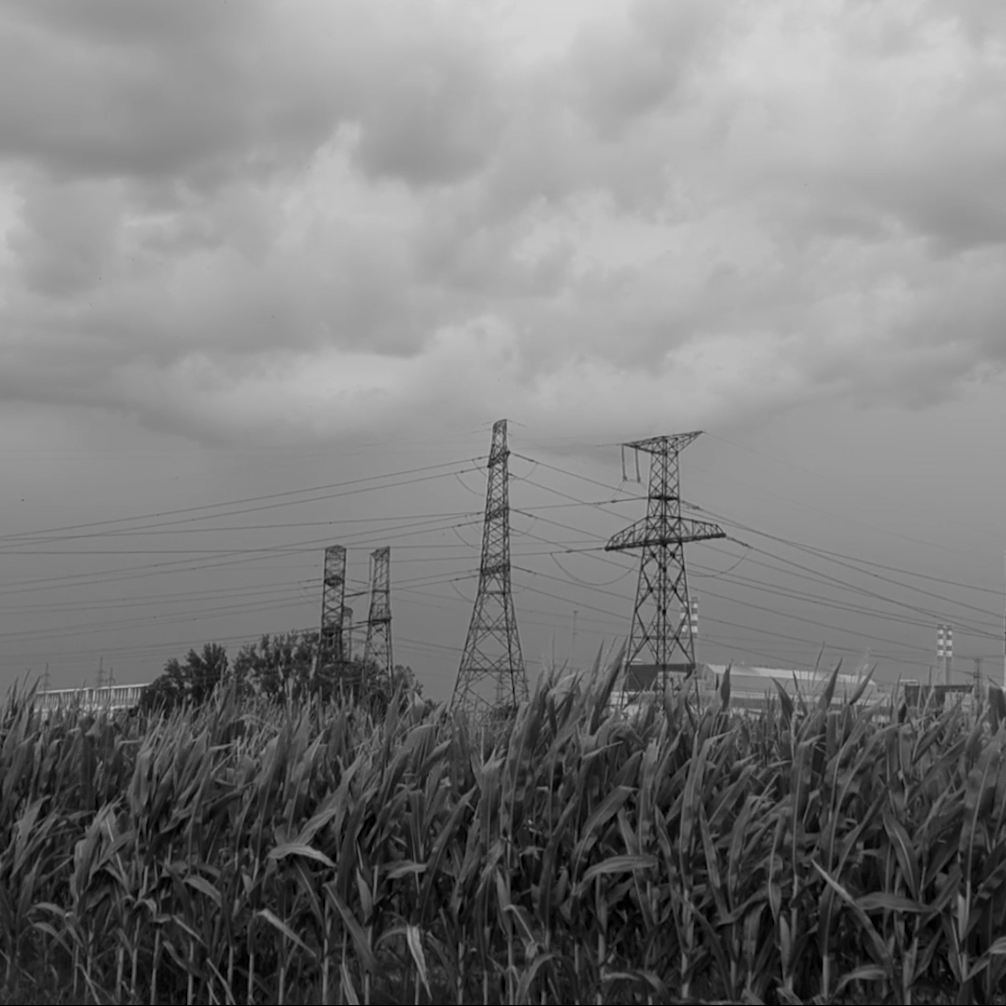
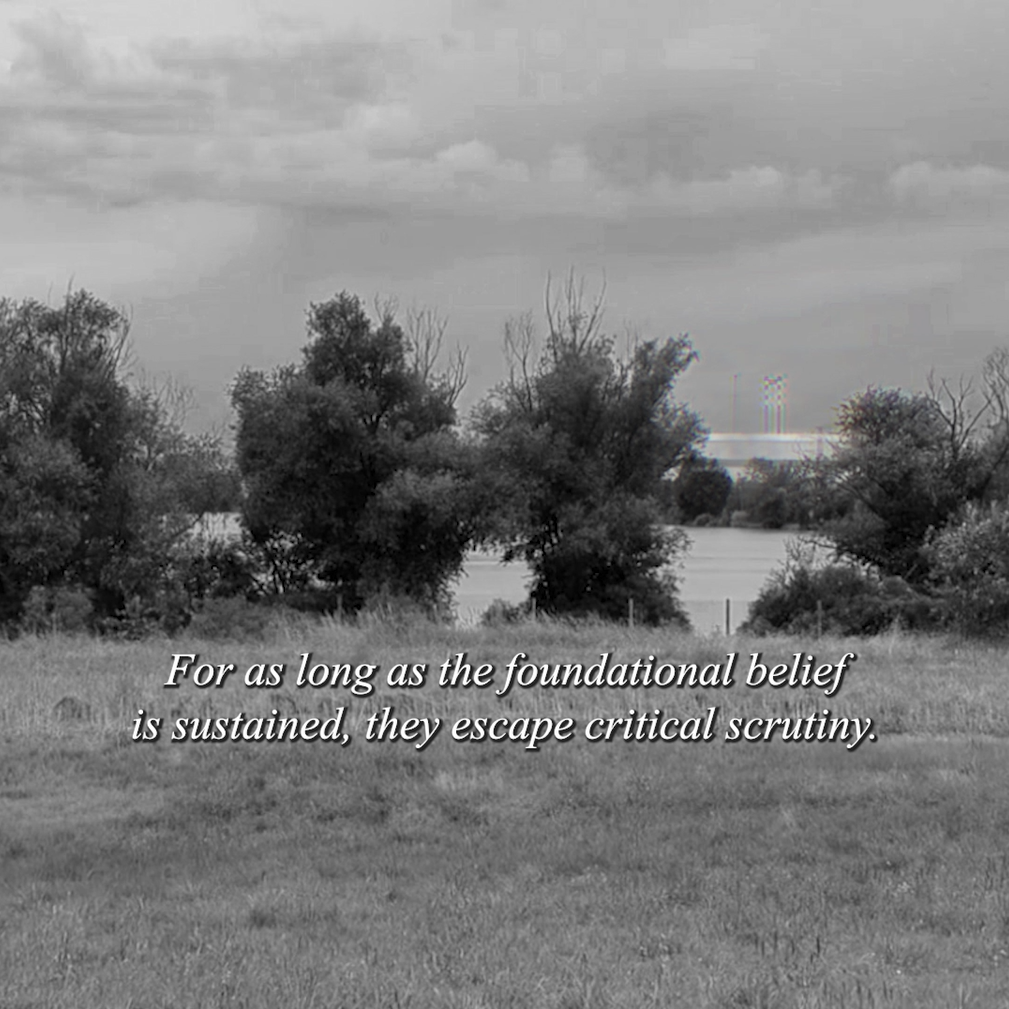
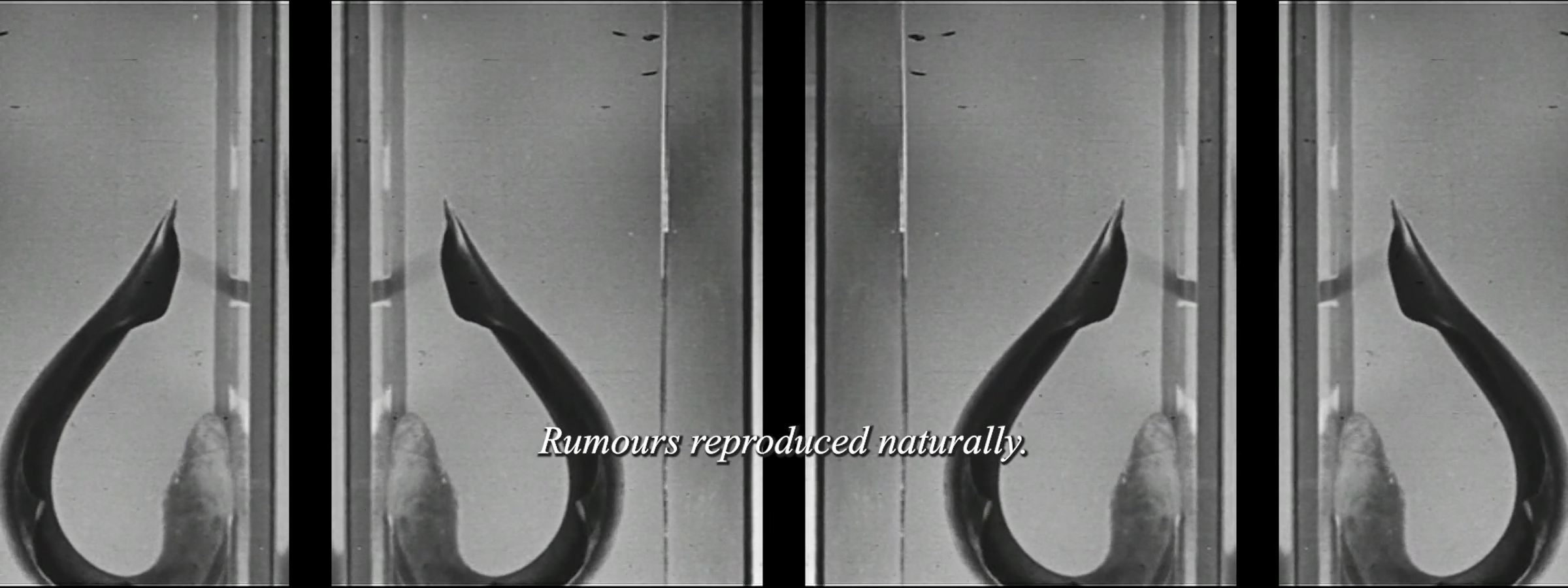
The pursuit of the “fragmentary present” through the residual category of leaks proves to be useful when attempting to construct an image of underlying patterns of governance embedded in infrastructure, yet it leaves us in an awkward predicament as mere observers. Political legitimacy (and thus power to an extent) is founded on myths – the myth of nuclear containment specific to this project. The fantasies attached to it – like that of ‘socialist modernity’, ‘cheap energy’, and ‘energy independence’ – transcend the purely rhetorical and have material impacts in the world. They materialize not only in the values quoted at the bottom of monthly utility bills but also in the form of heat pollution or the seepage of tritium at the sites of production. These leaks are by-products of efforts to uphold the illusion – the good-life fantasy through the promise of ‘free’ energy. Free, not only as a reference to the rhetoric of energy independence or to the promise of low utility costs but also to the insatiable hunger of climate-conscious consumers for ‘guilt-free’ energy. If we simply register evidence contrary to the foundational claim of nuclear containment in a climate of public apathy, we are left with an interesting image of politics expressed through infrastructural failure but without the tools to do anything about it.
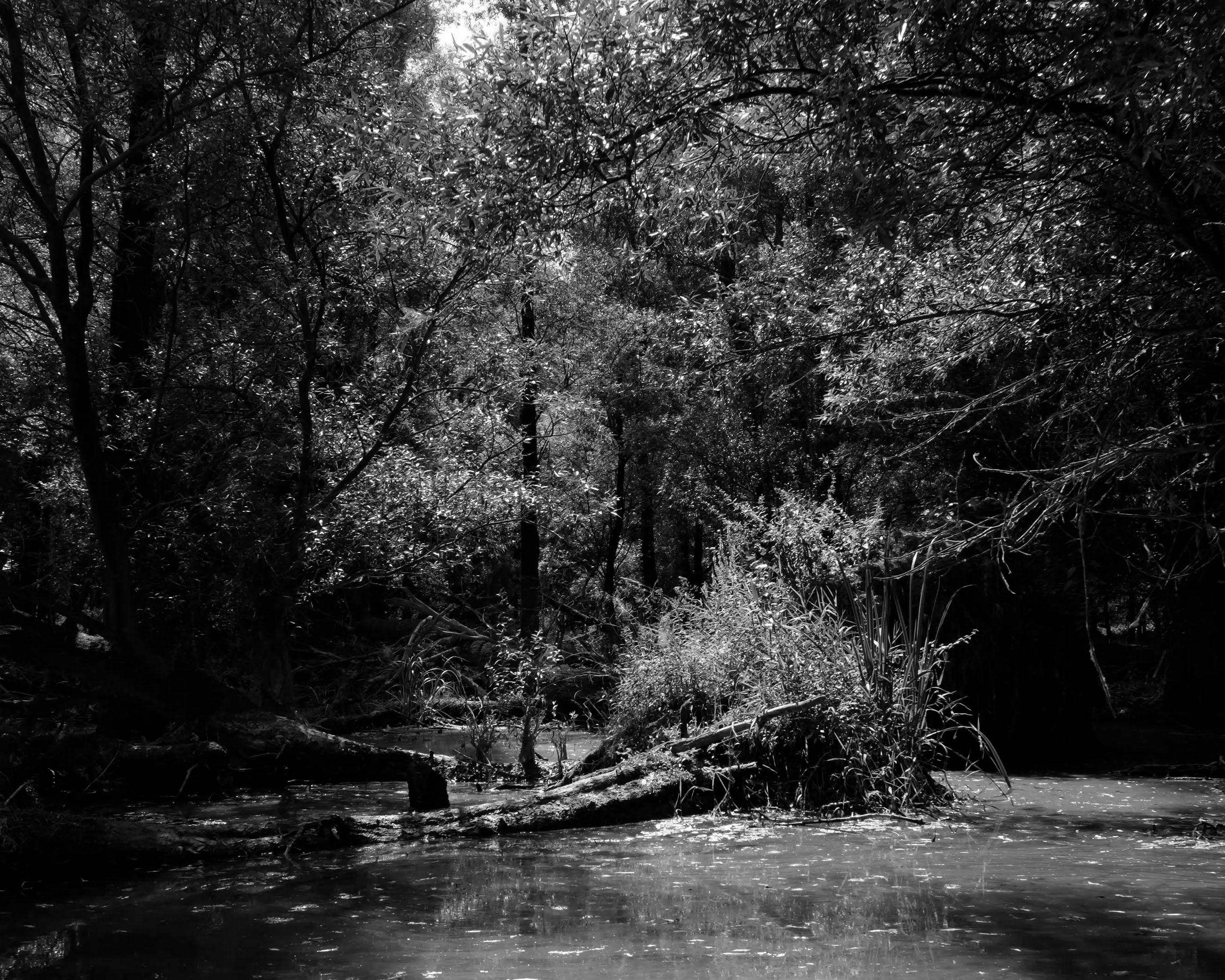
UNDEAD RIVER
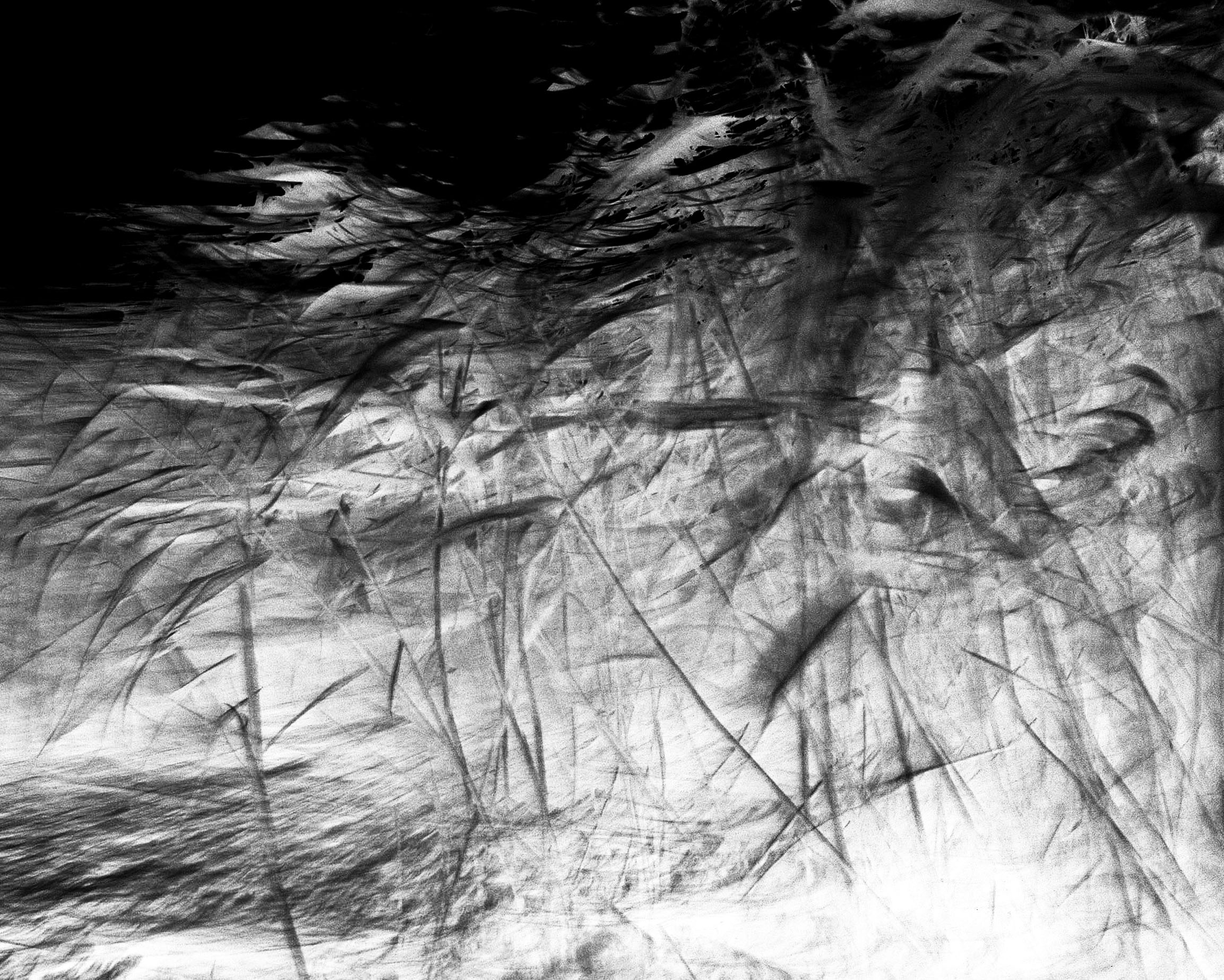
DELTA IMAGINARIES
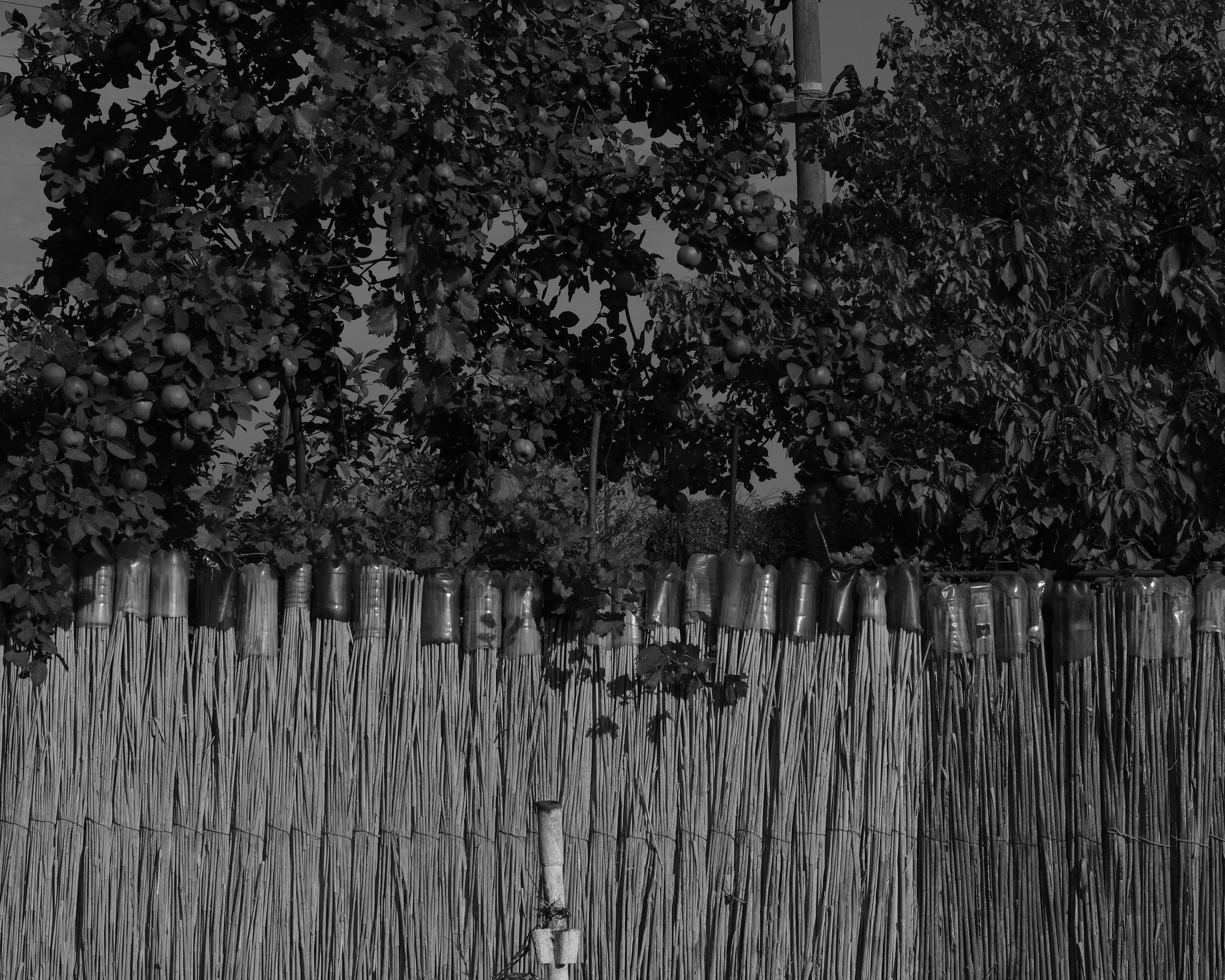
LANDSCAPES OF REFUSAL
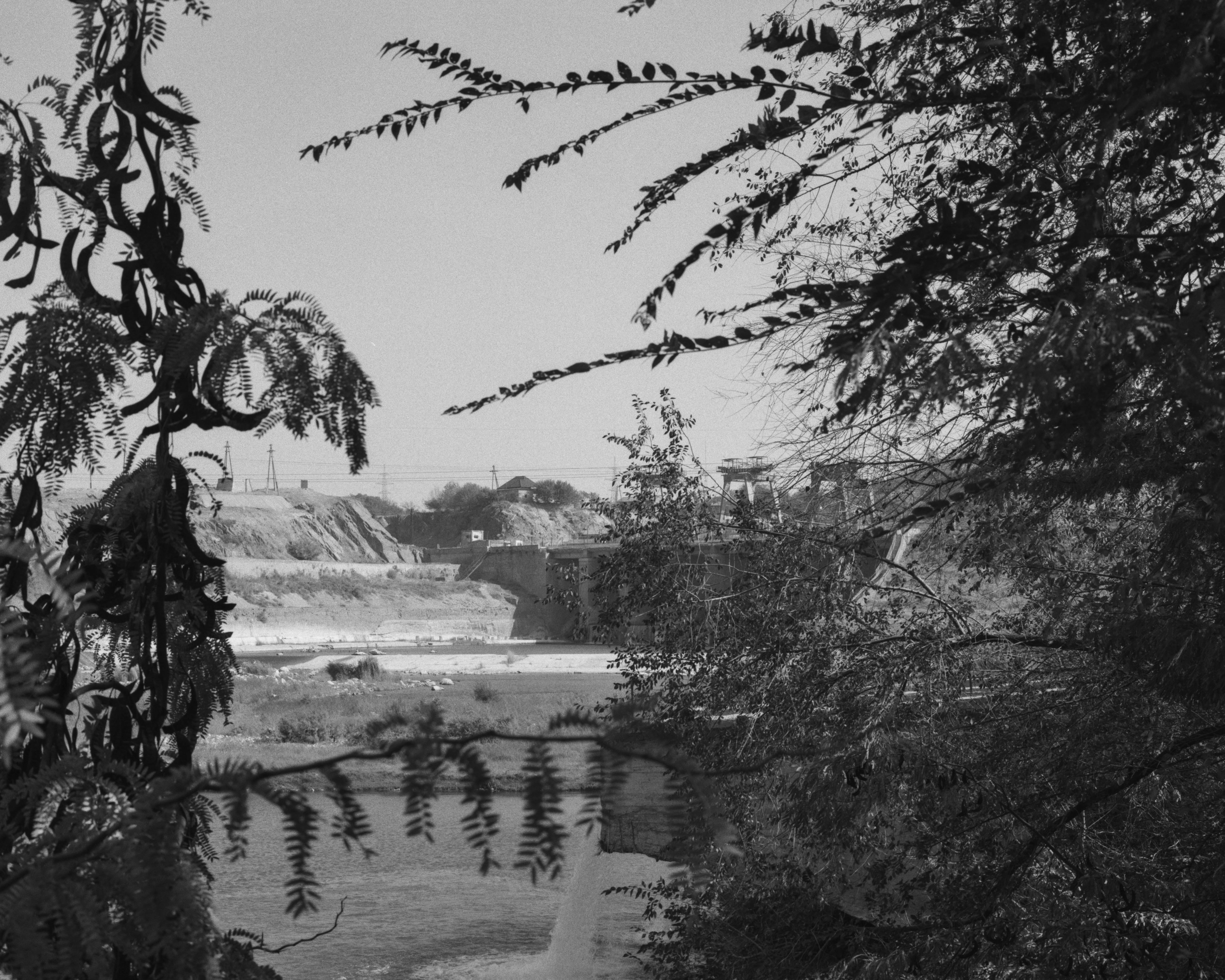
HYDRO-POWER
CAN FISH SWEAT