Dammed to Fail
2020-2021
Bős - Nagymaros, Hungary
video; zine; research-design
Supervised by Dr. Esra Akcan, Sana Frini
Sands Goodwin
Memorial Award (Thesis Prize)
This research driven design projects theorises
architecture's potential in subverting the legacy of nature
transformation projects without erasing them from collective
memory.
At its focus lies the history of the
Gabčíkovo-Nagymaros Dam system, a half-realised infrastructural
project, which has since come to symbolise the end of socialism
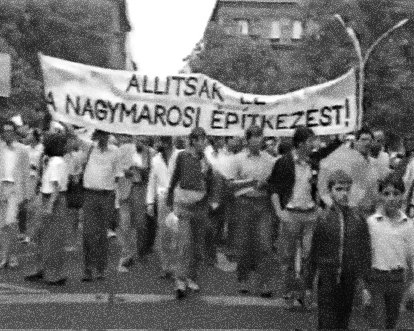
in Hungary. Environmentalism was the only form of permissible
state critique in the Eastern Block, so it is not a coincidence
that the protests against the hydropower project came to signify
politics beyond environmental preservation. Although only the
Gabčíkovo half of the dam was realised, it left a mark on the
region through the permanent loss of biodiversity, displacement
of ethnic minorities, and the transformation of economic
livelihood.
I argue that infrastructures produced by
a politics of domination will reproduce the same power
relations. By drawing on a transitional justice framework, this
project proposes to reprogramme the infrastructural objects into
a centre for non-recurrence to human and more-than-human victims
of ecocide.
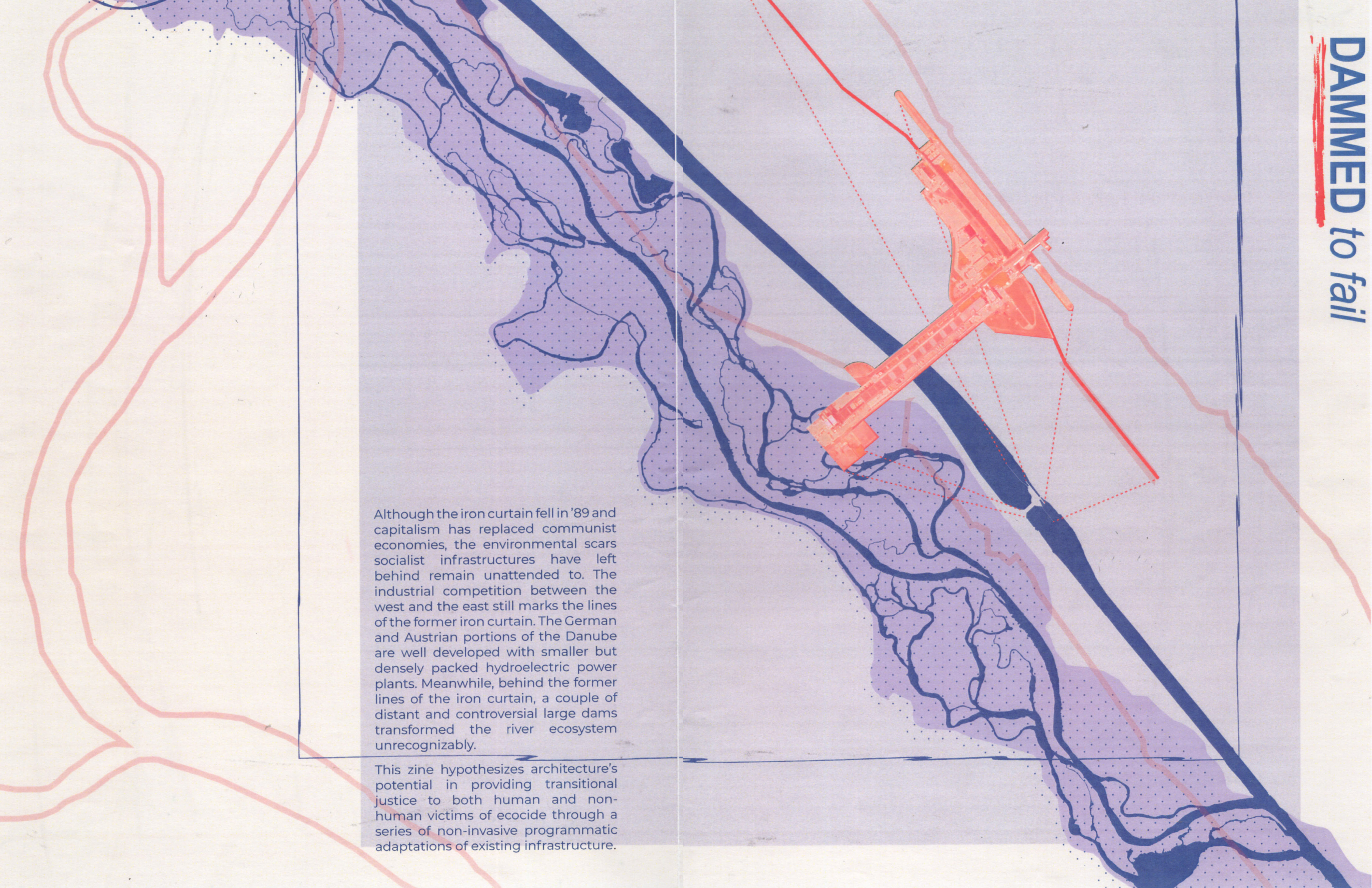
THE ZINE
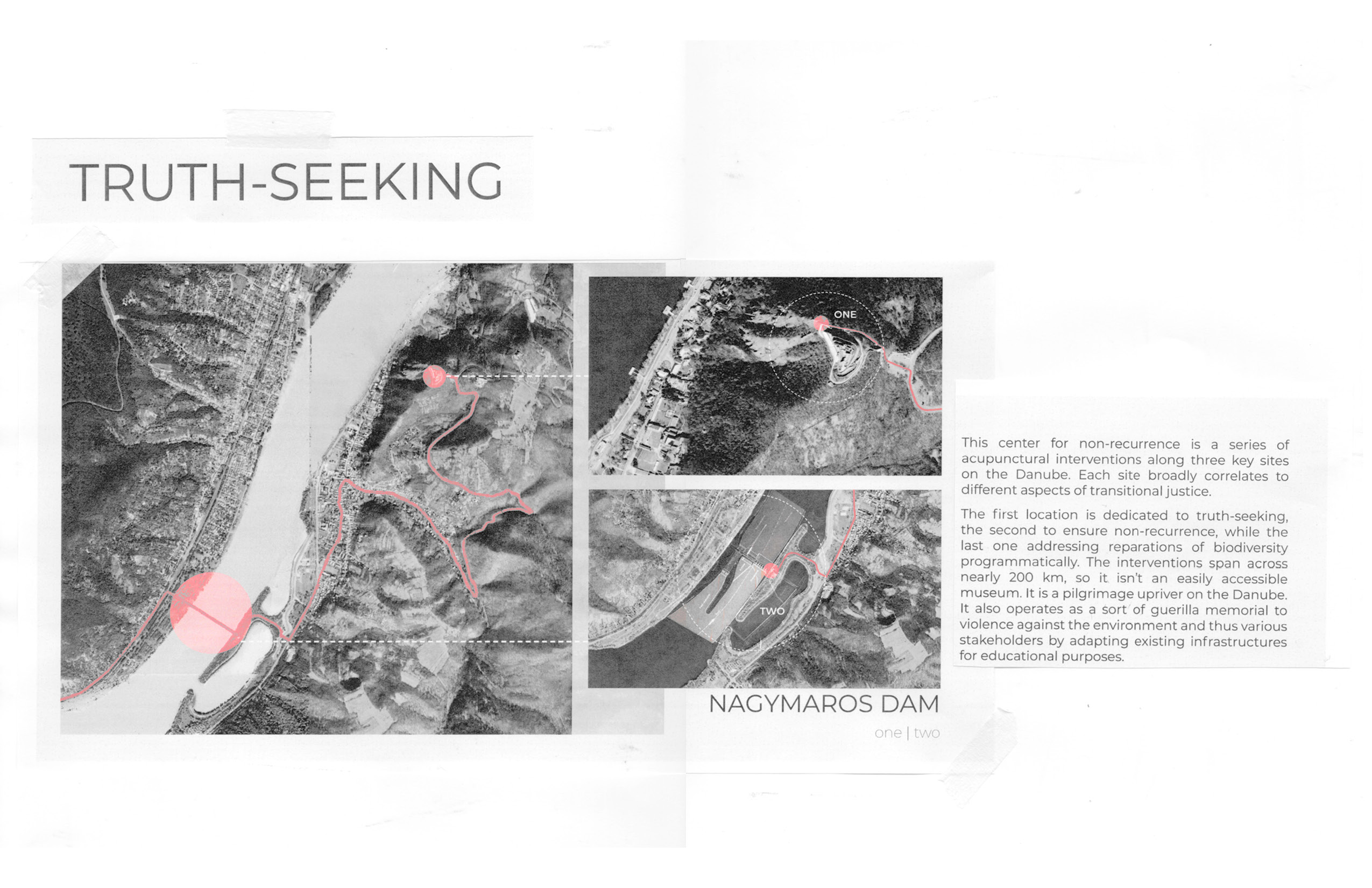
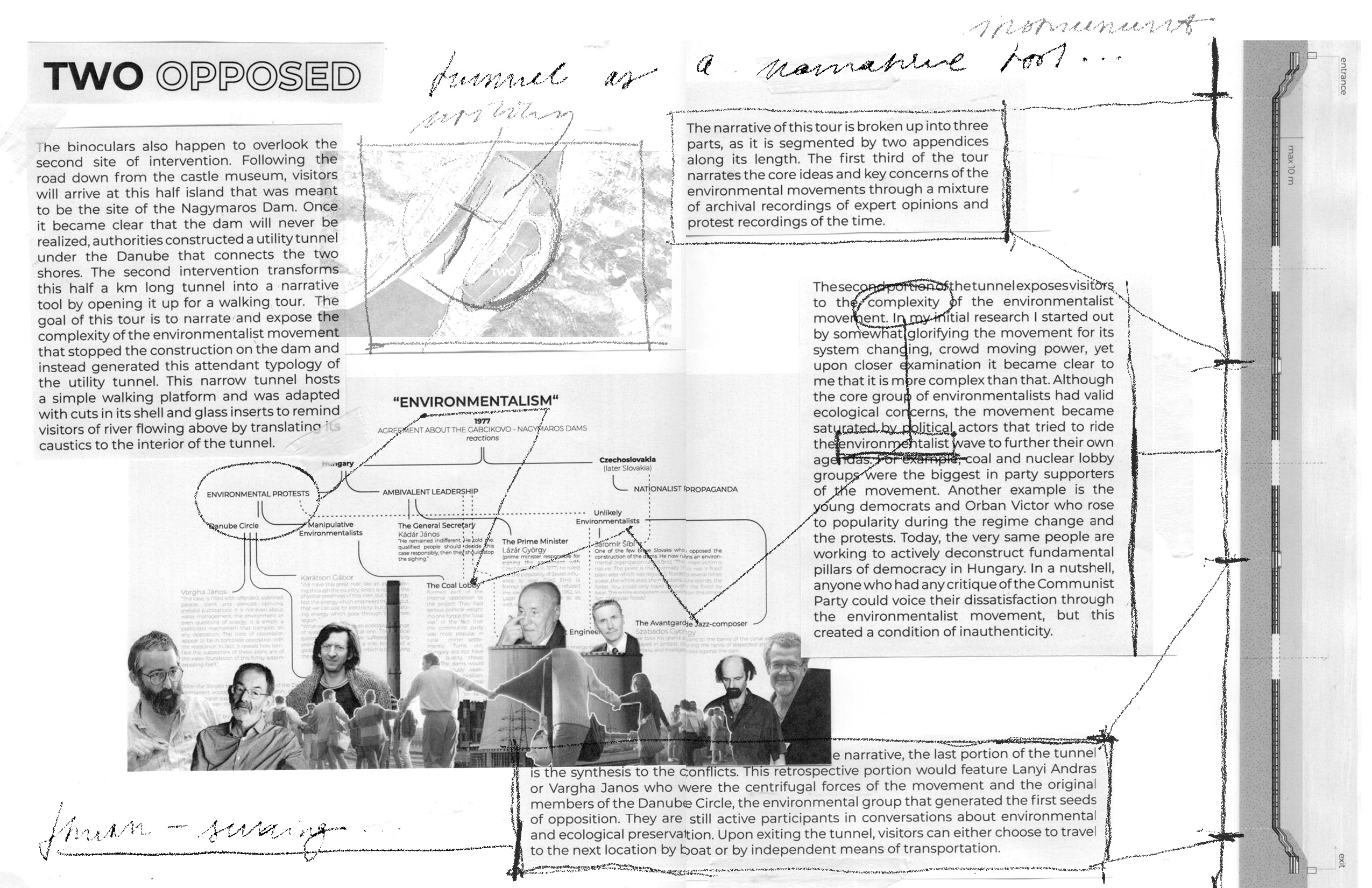
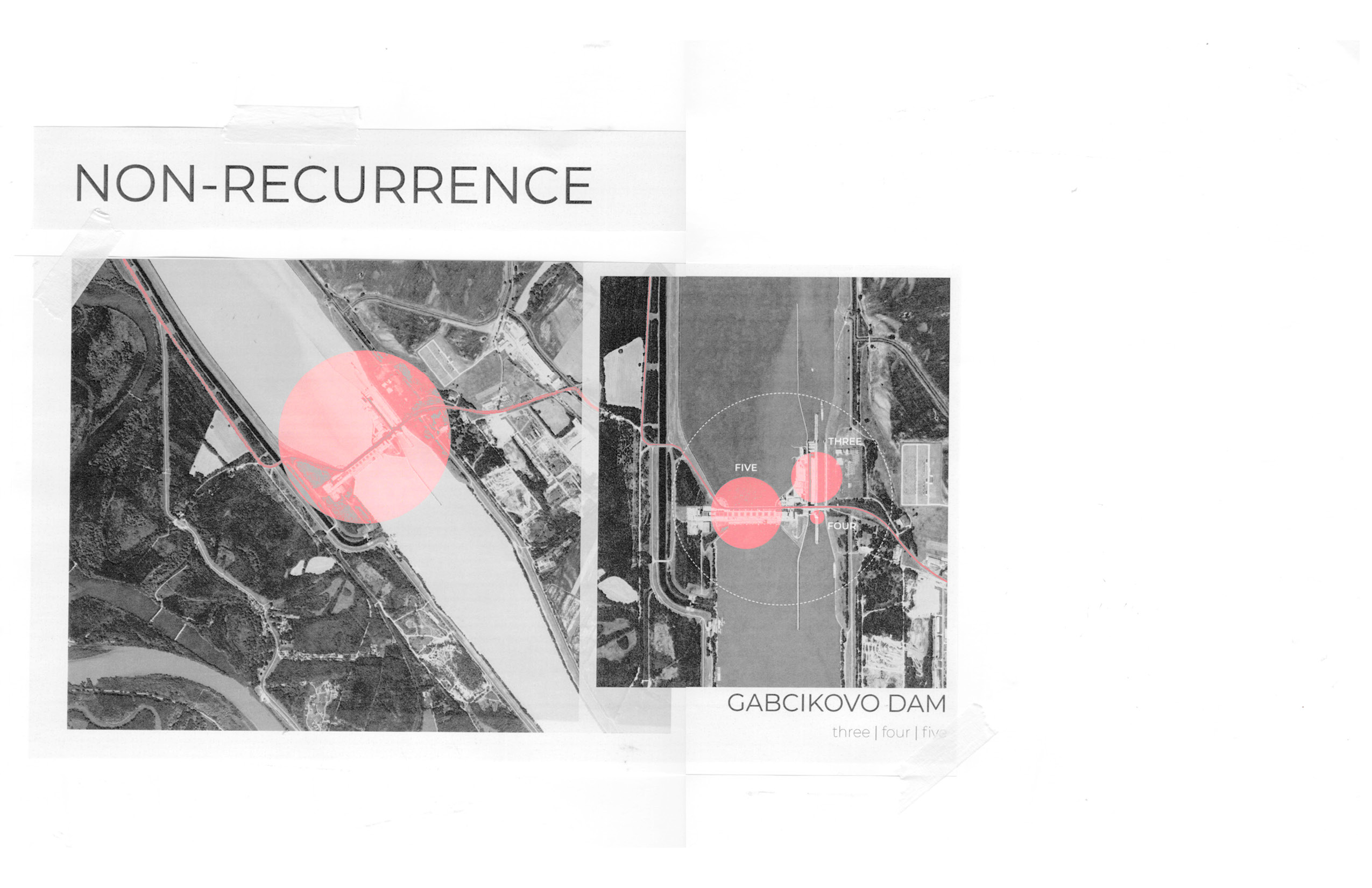
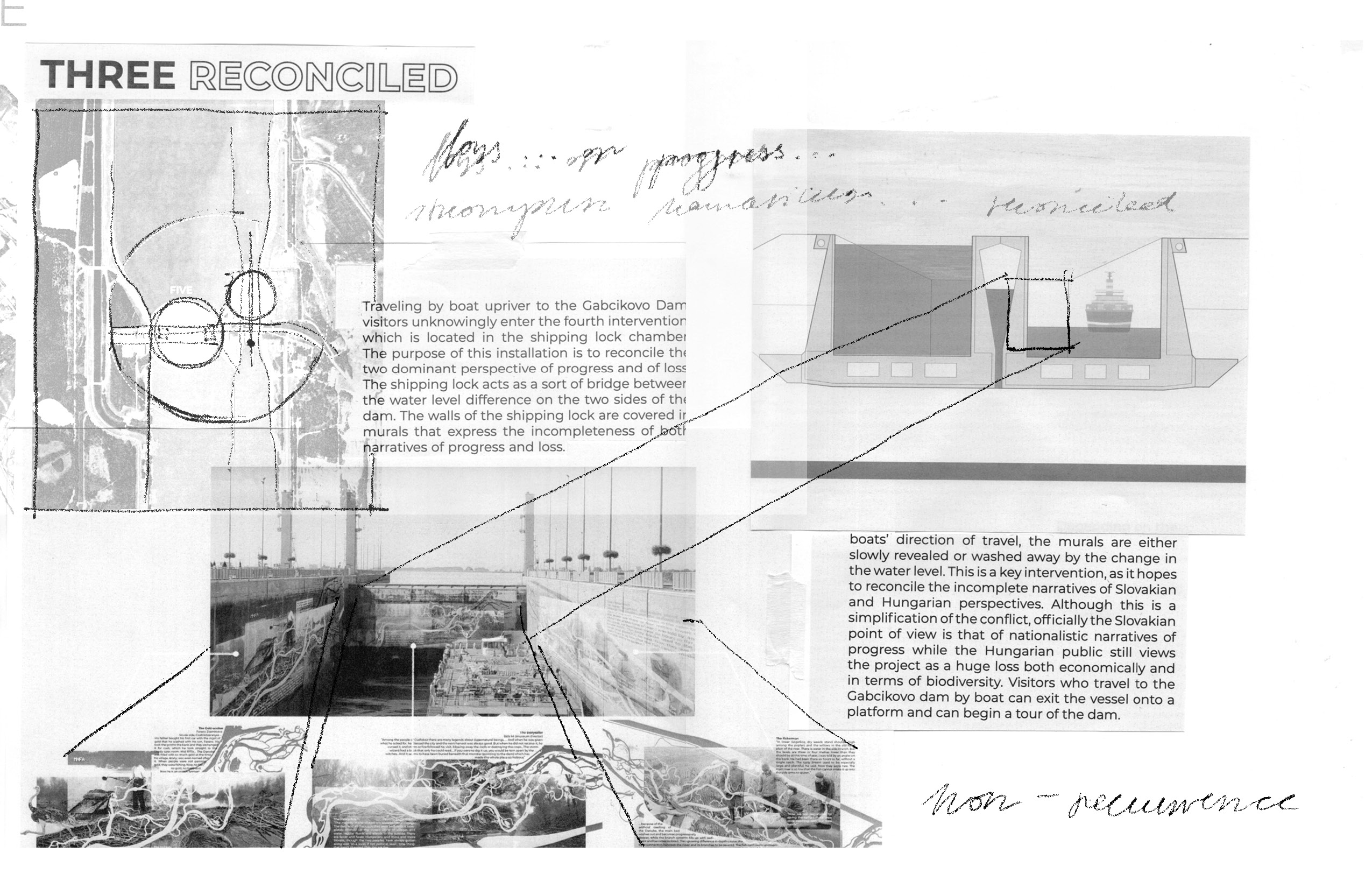
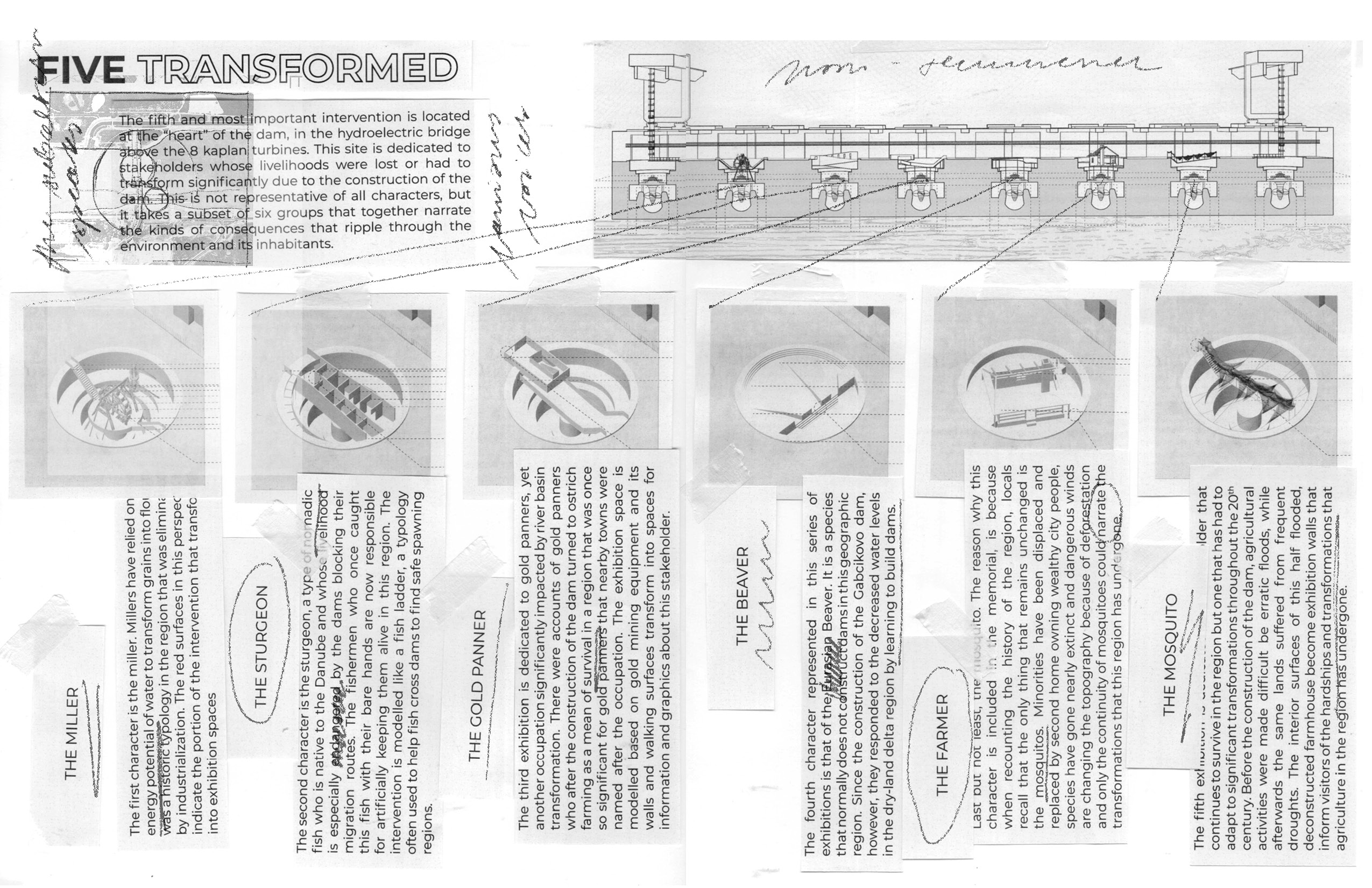
The centre for non-recurrence is a series
of interventions located along three key sites on the Danube
that addresses the remnant infrastructures of a violent failure.
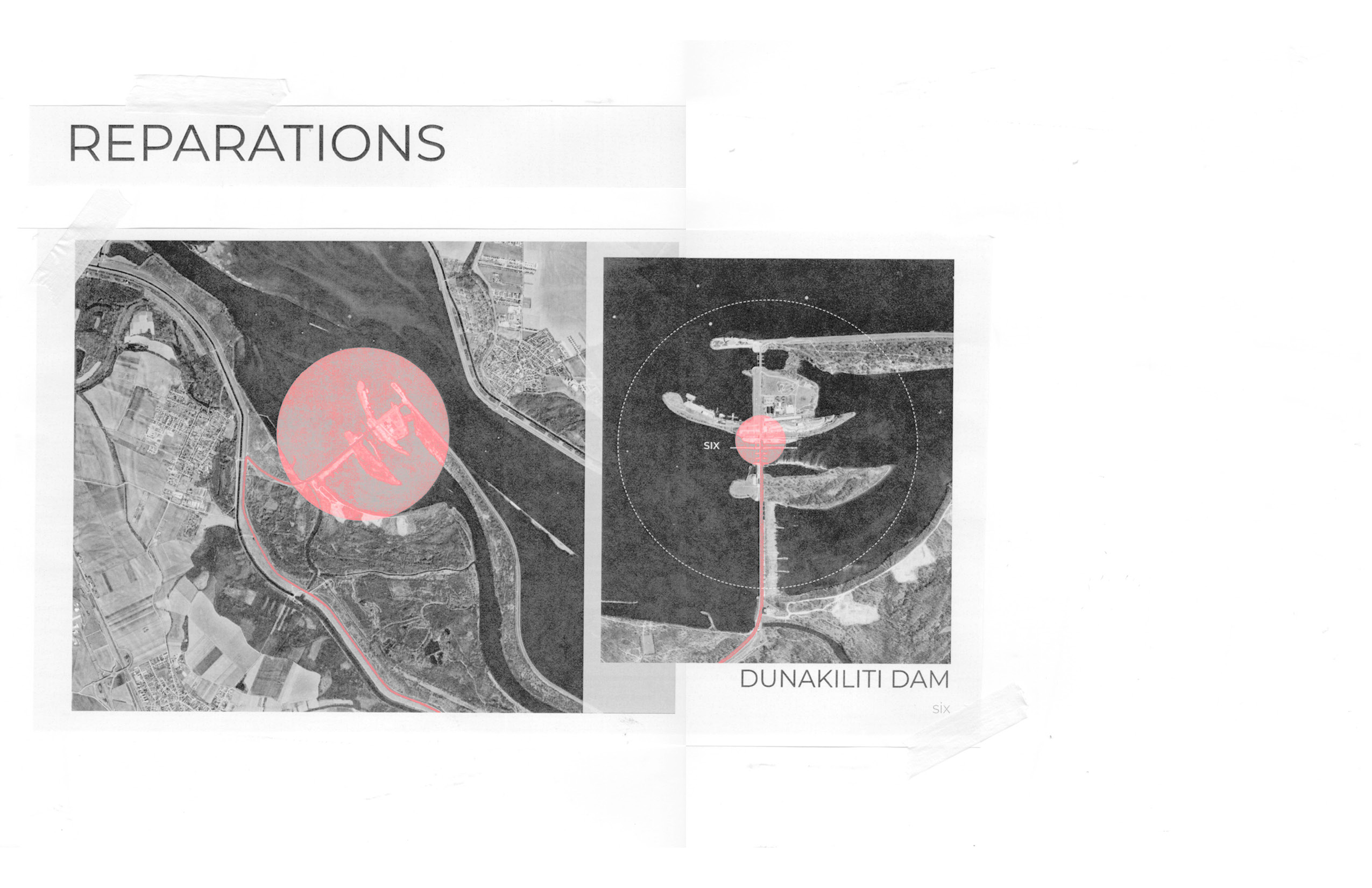
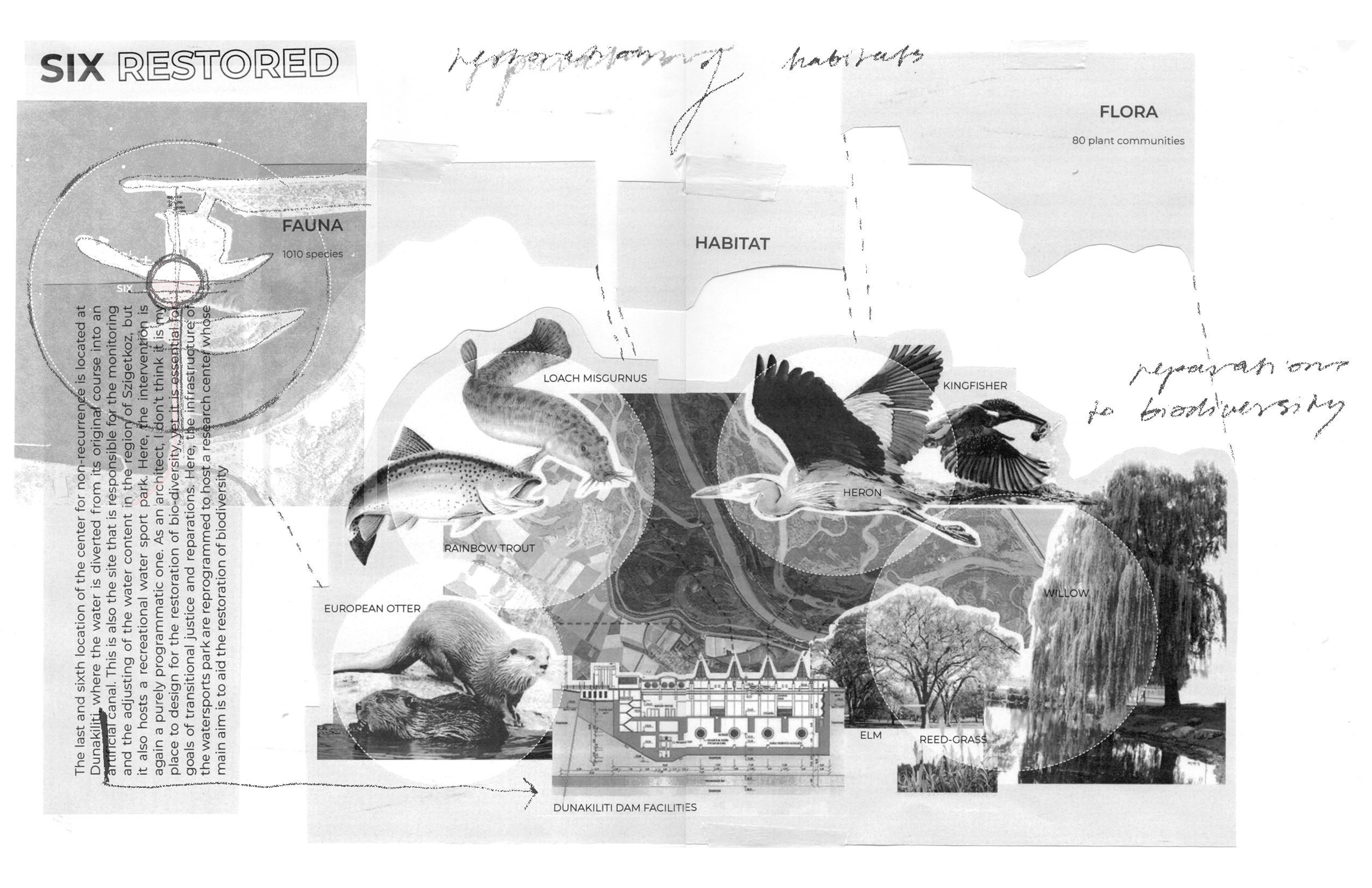
Each site broadly correlates to different aspects of
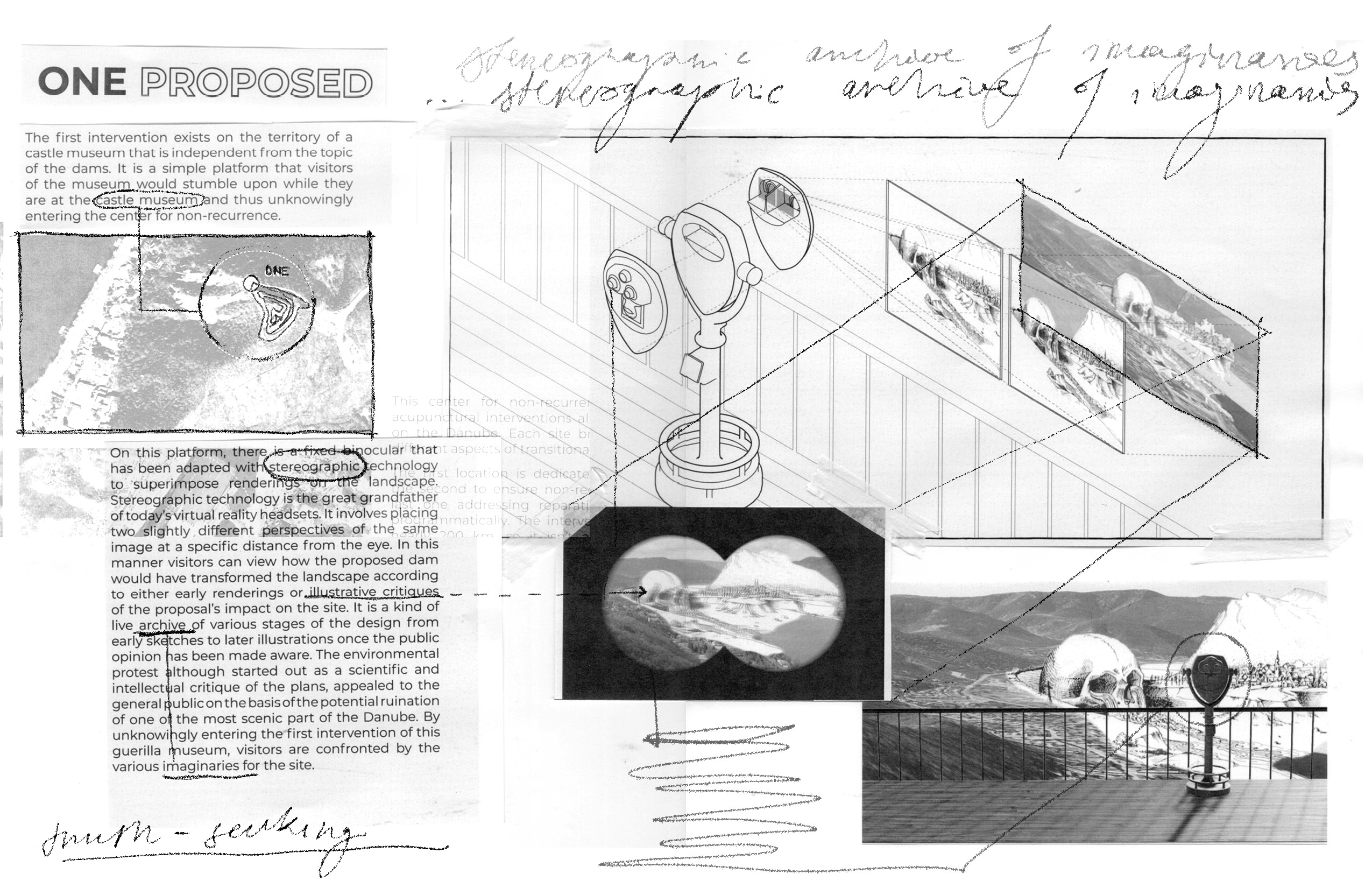
transitional justice. The first location is dedicated to
truth-seeking, the second to ensure non-recurrence, while the
last one addressing reparations of biodiversity.
The
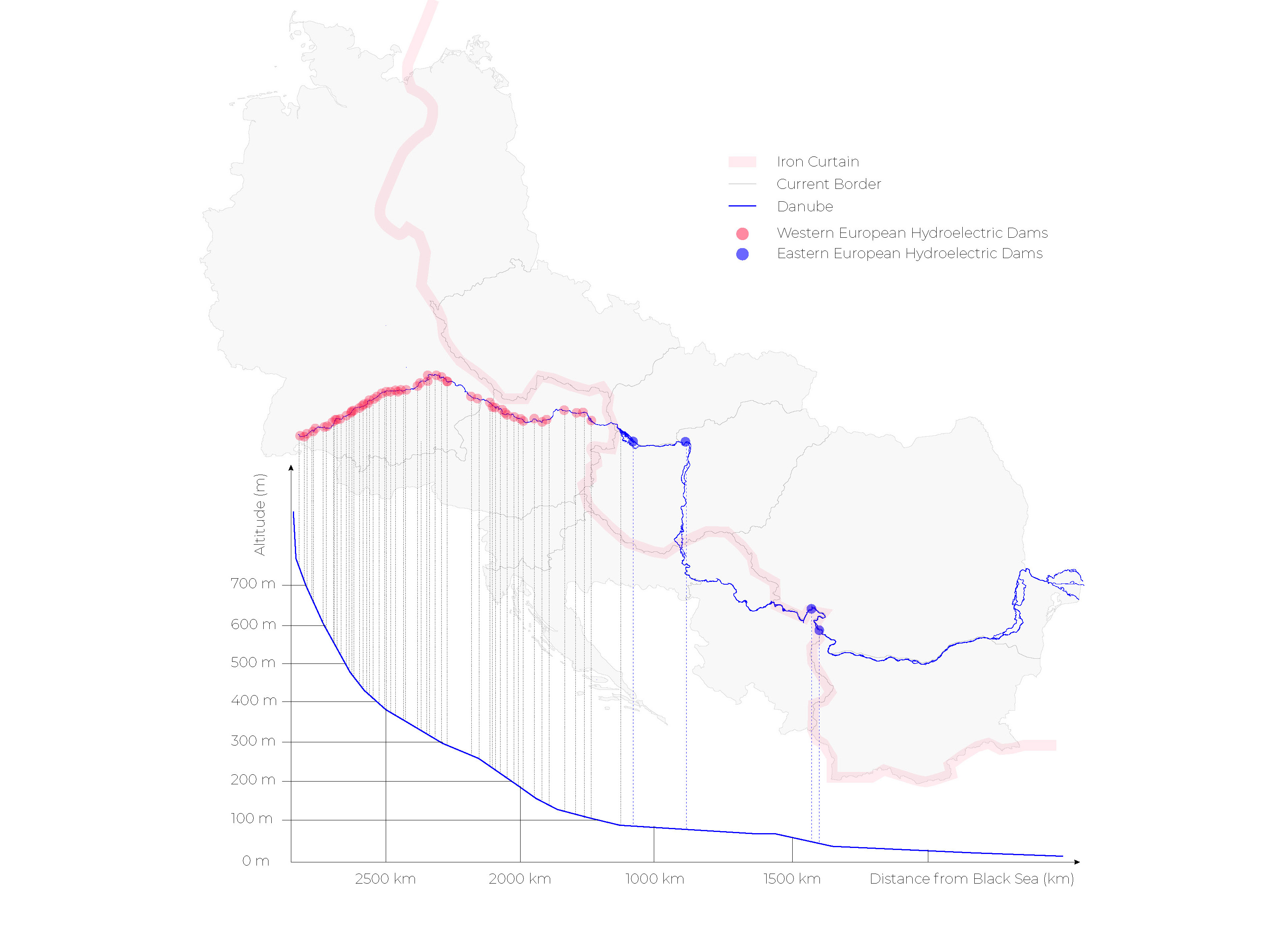
sites span across nearly 200 km, so it is not an easily
accessible museum. It is a pilgrimage upstream along the Danube
that operates as a transitional justice memorial to violence
against the environment and thus various stakeholders by
adapting existing infrastructures for educational purposes.
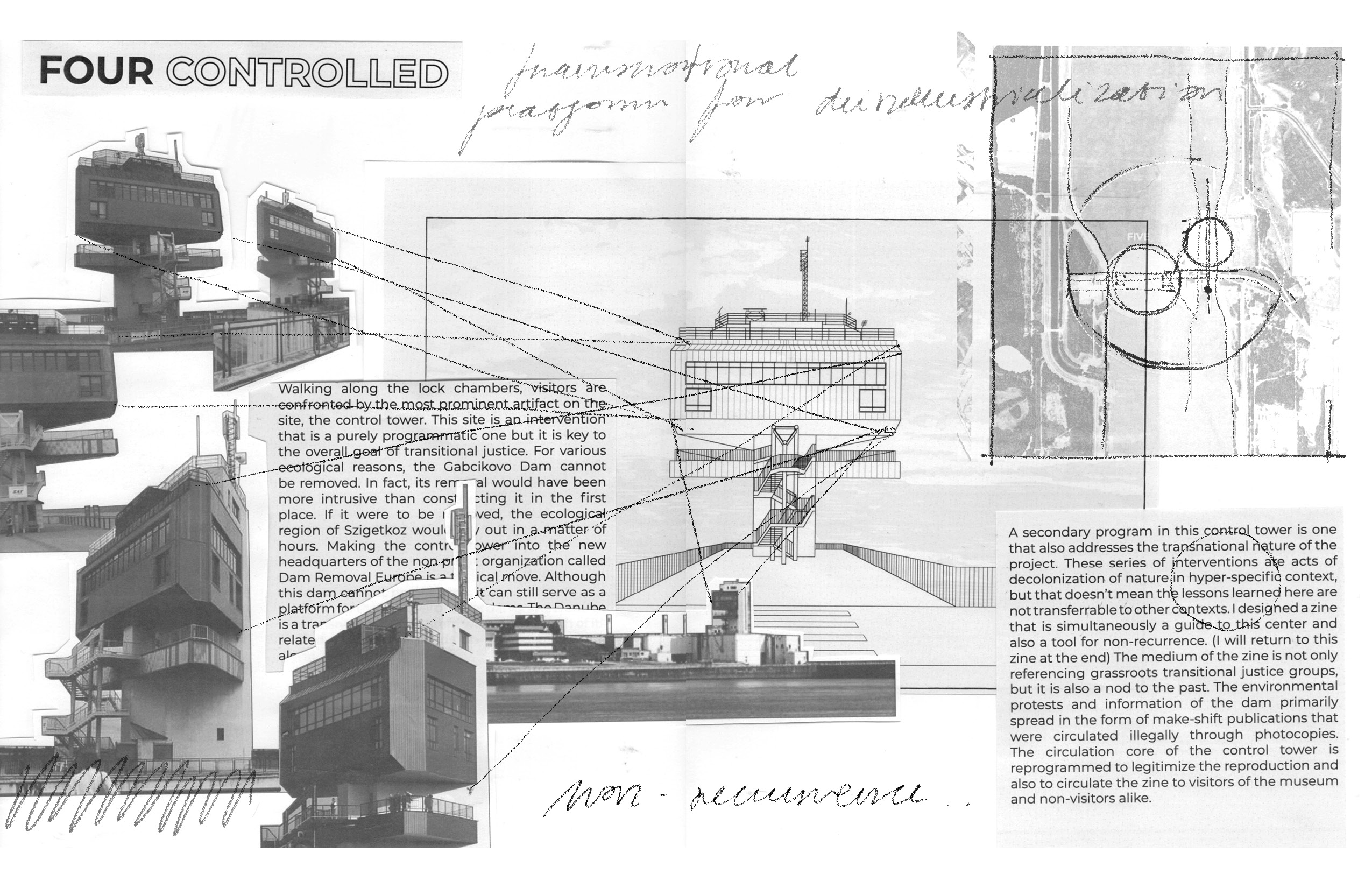
The
interventions were designed to be toured along with a zine-like
guide. The medium of this booklet is not only a common
grassroots tool for transitional justice, but it is also a
reference to the ‘samizdat’, an illegal make-shift publication
through which dissident information was spread in the Eastern
Block.
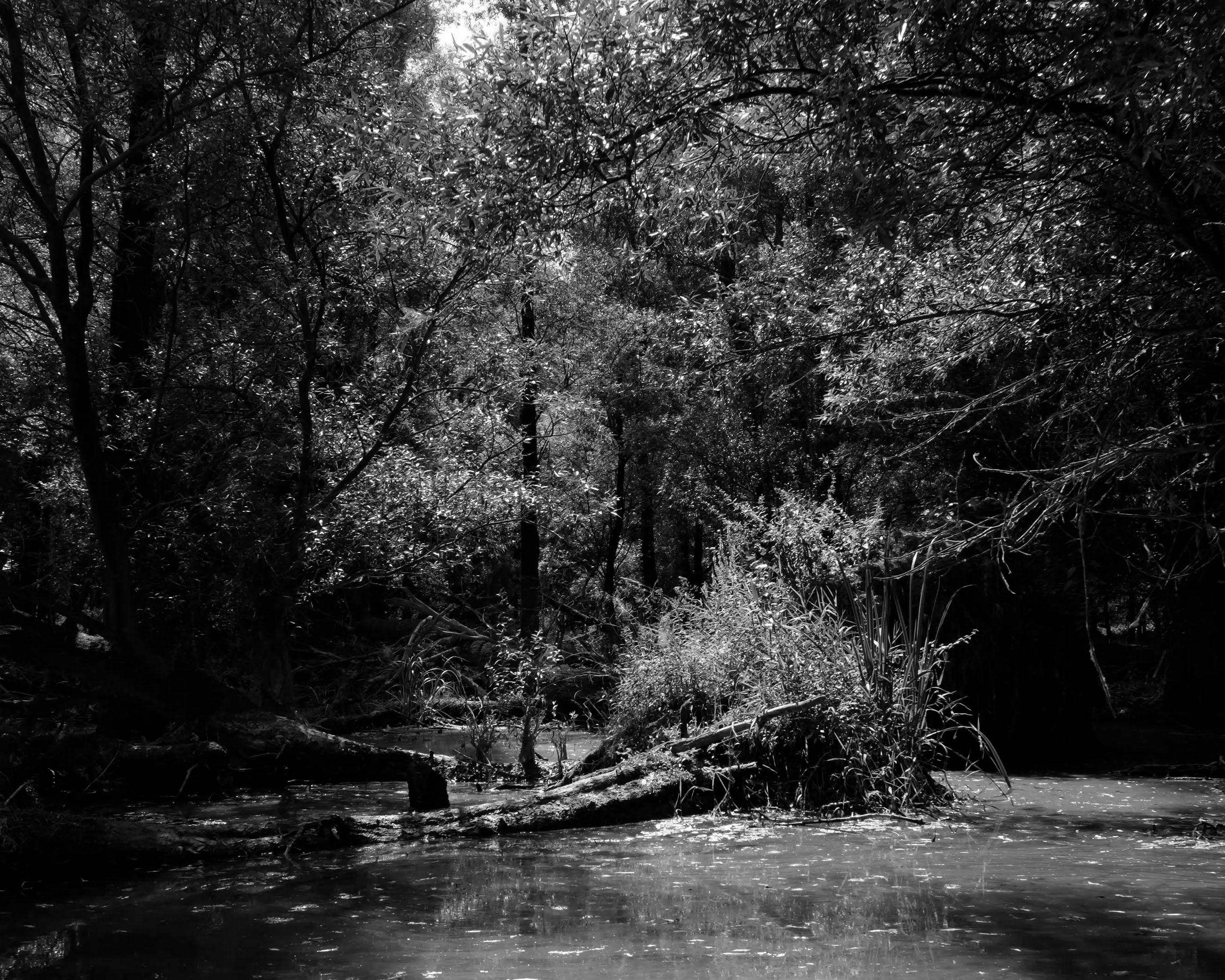
UNDEAD RIVER
DELTA IMAGINARIES
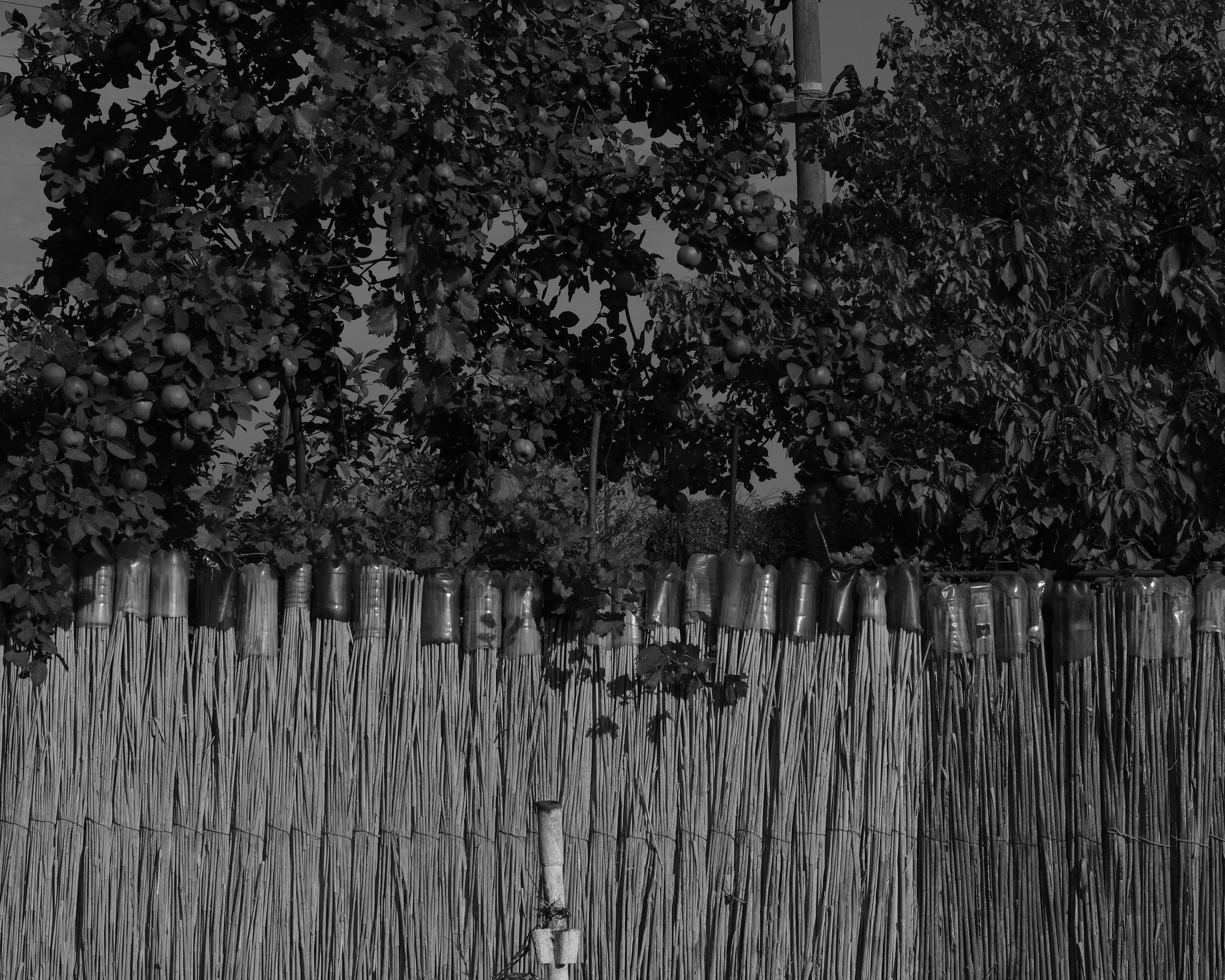
LANDSCAPES OF REFUSAL
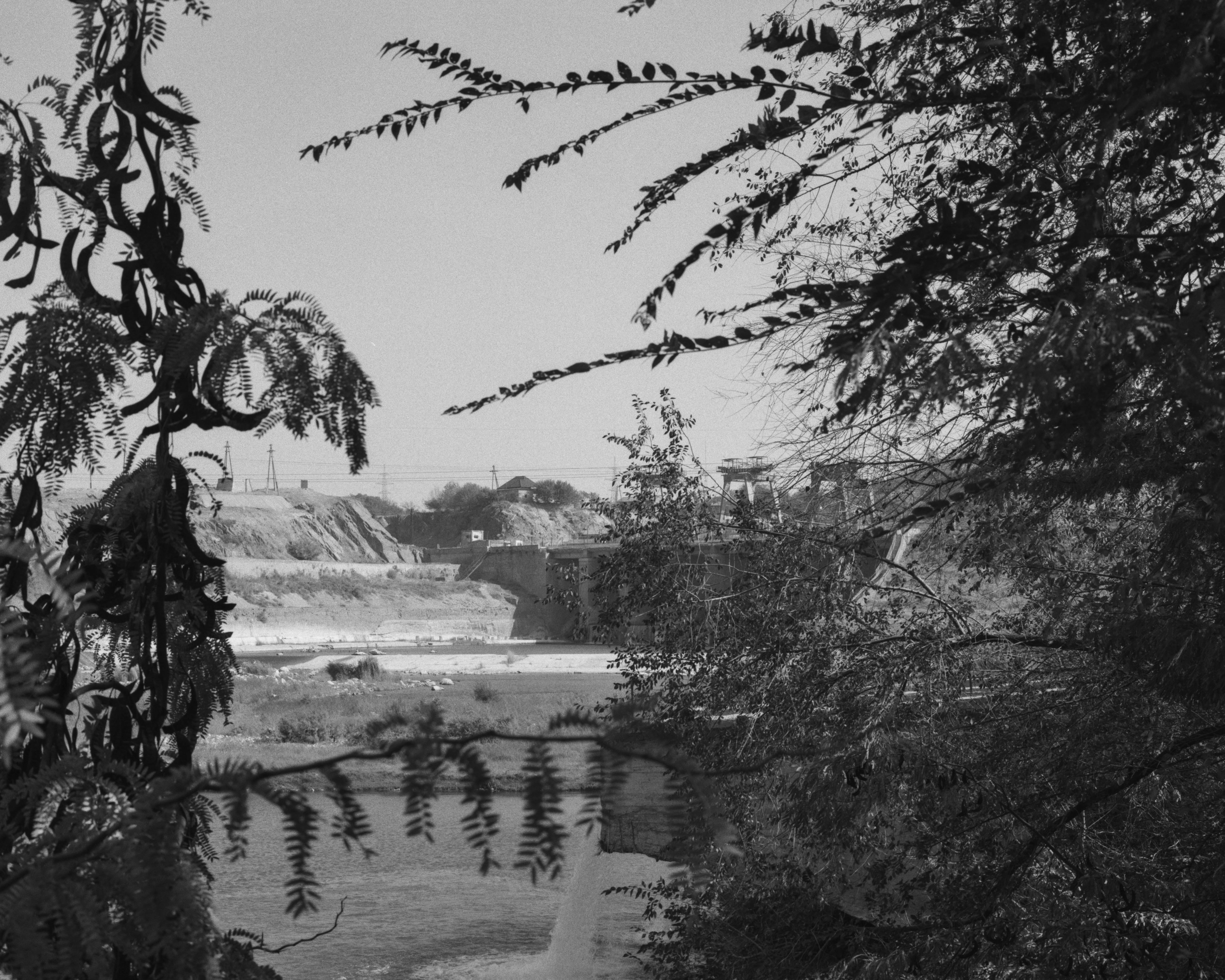
HYDRO-POWER
CAN FISH SWEAT