Delta Imaginaries
2024
Sulina, Romania
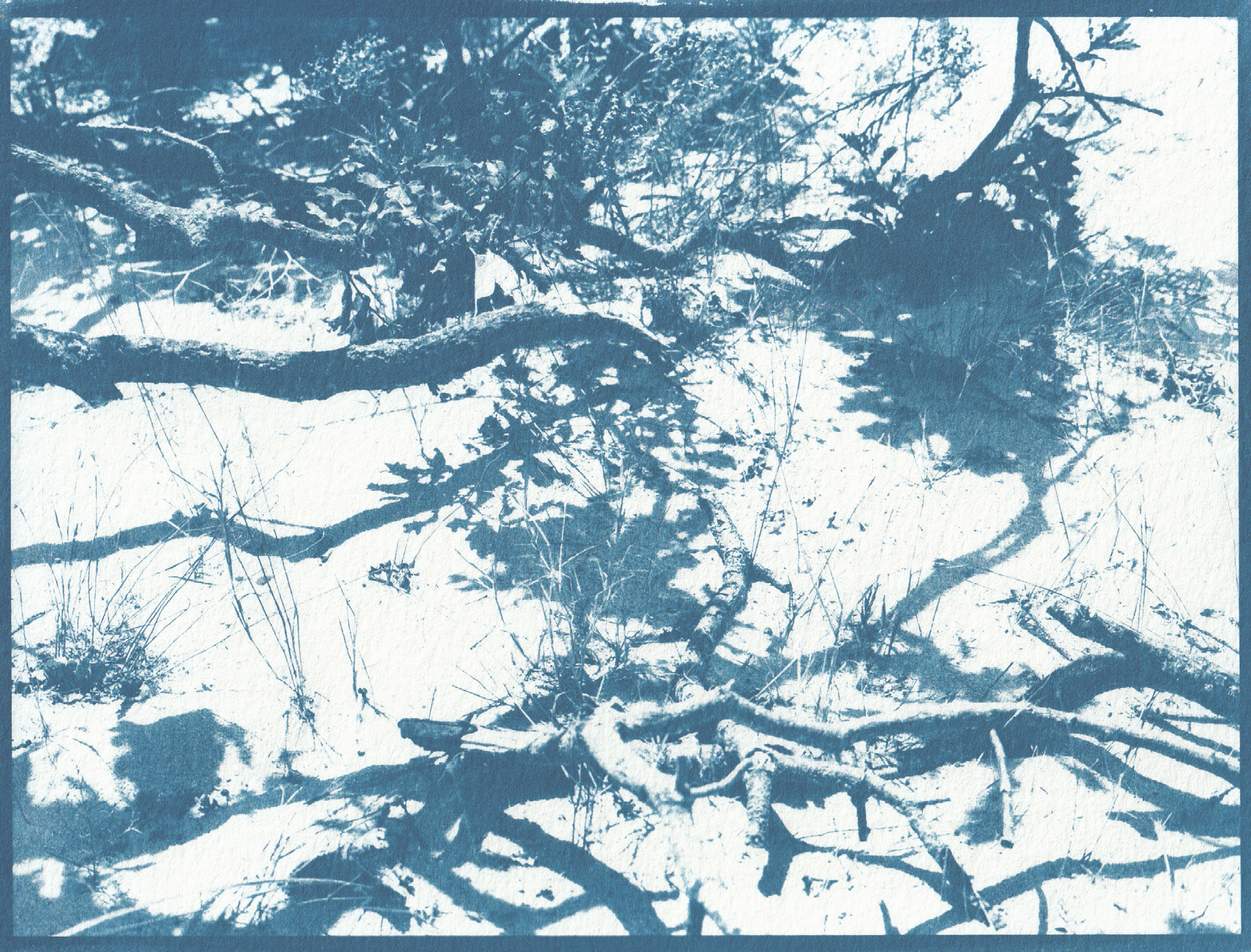
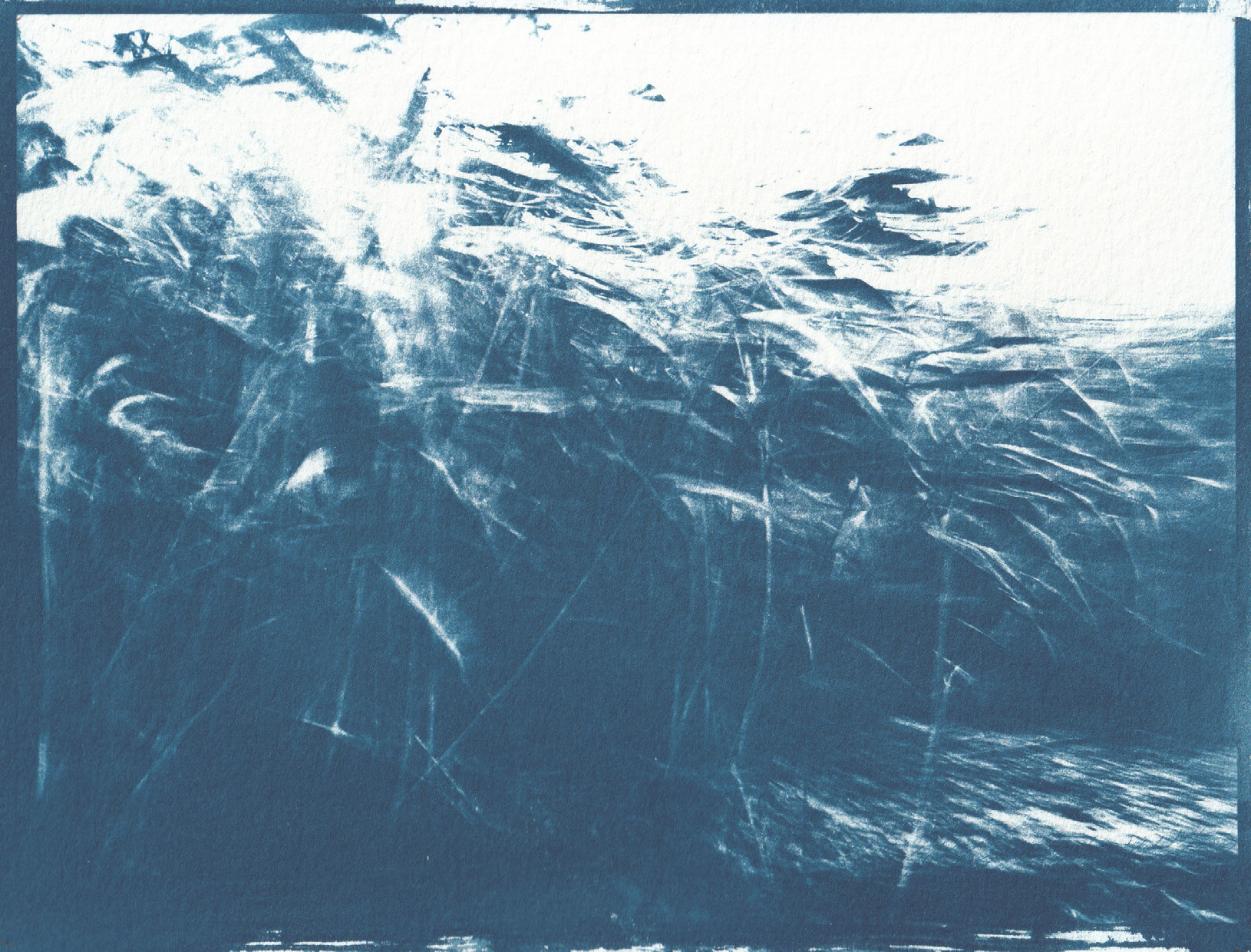
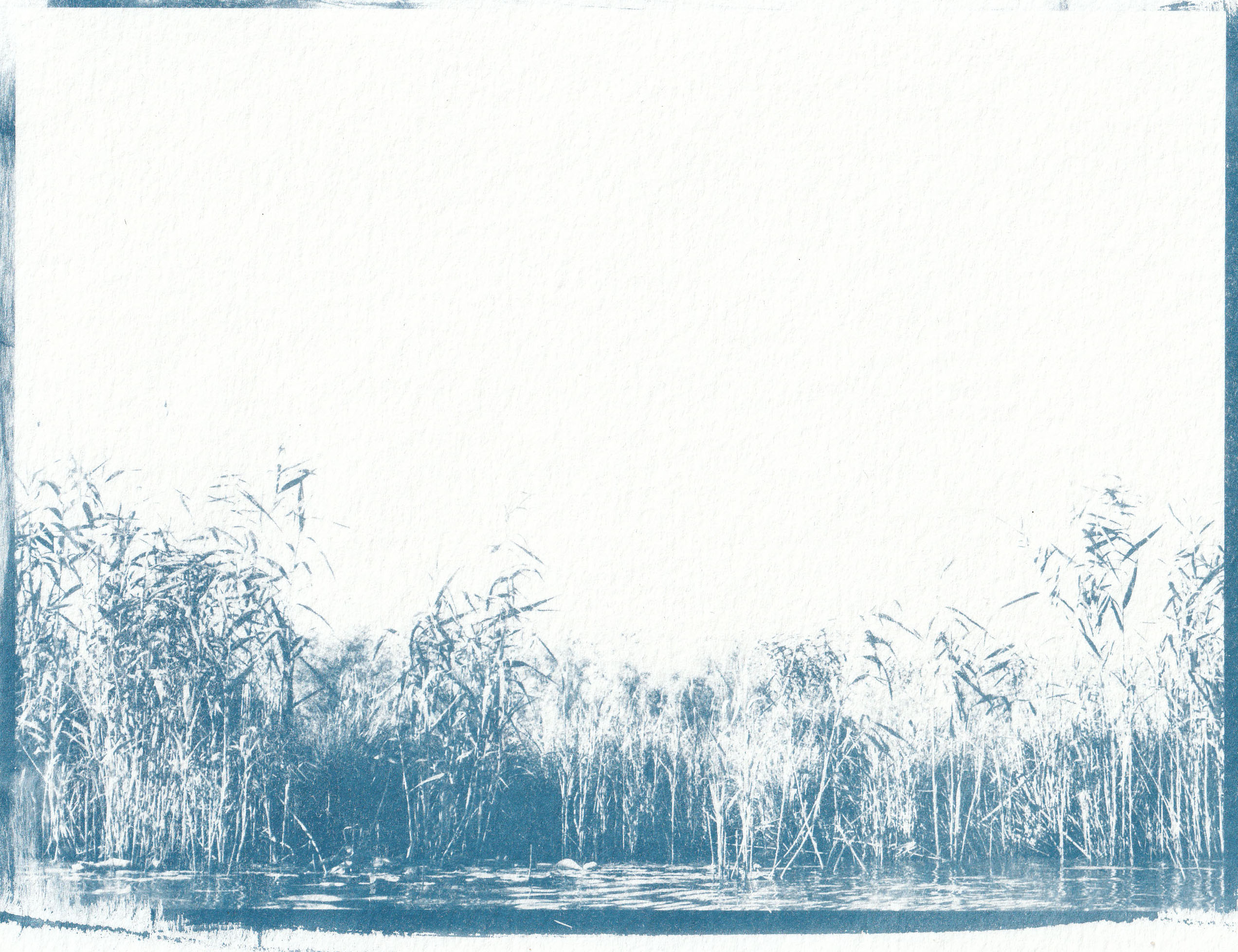
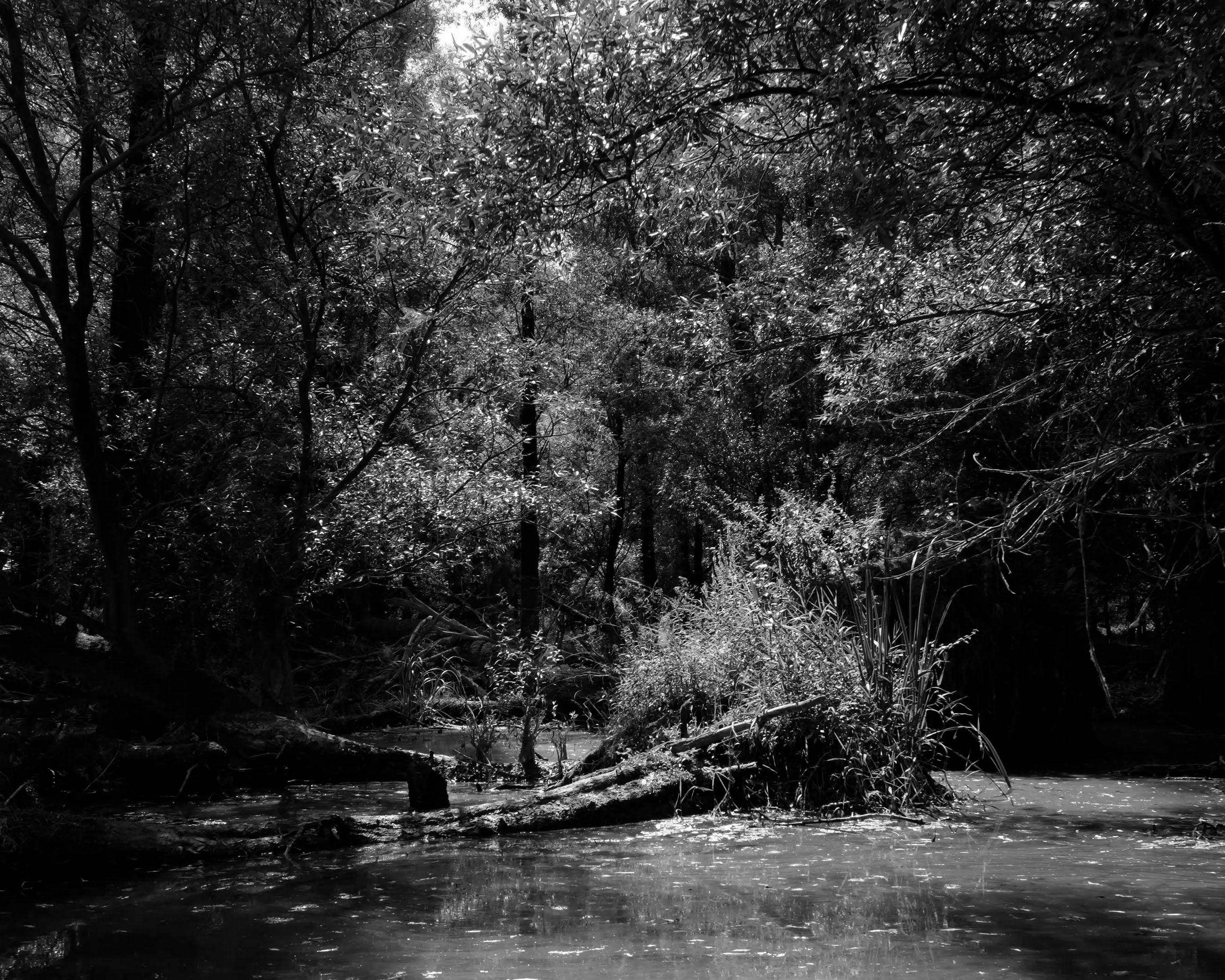
medium format photography; cyanotype; speculative ethnography
Exhibited at 'Apna ne spune provesta,' traveling
exhibition in Romania;
and at 'Sharing Food, Writing
Recipes, and Other Non-Apocalyptic Toolkits' Goethe
Institute, Bucharest.
Supported by Clean Waters
Artistic Research Residency
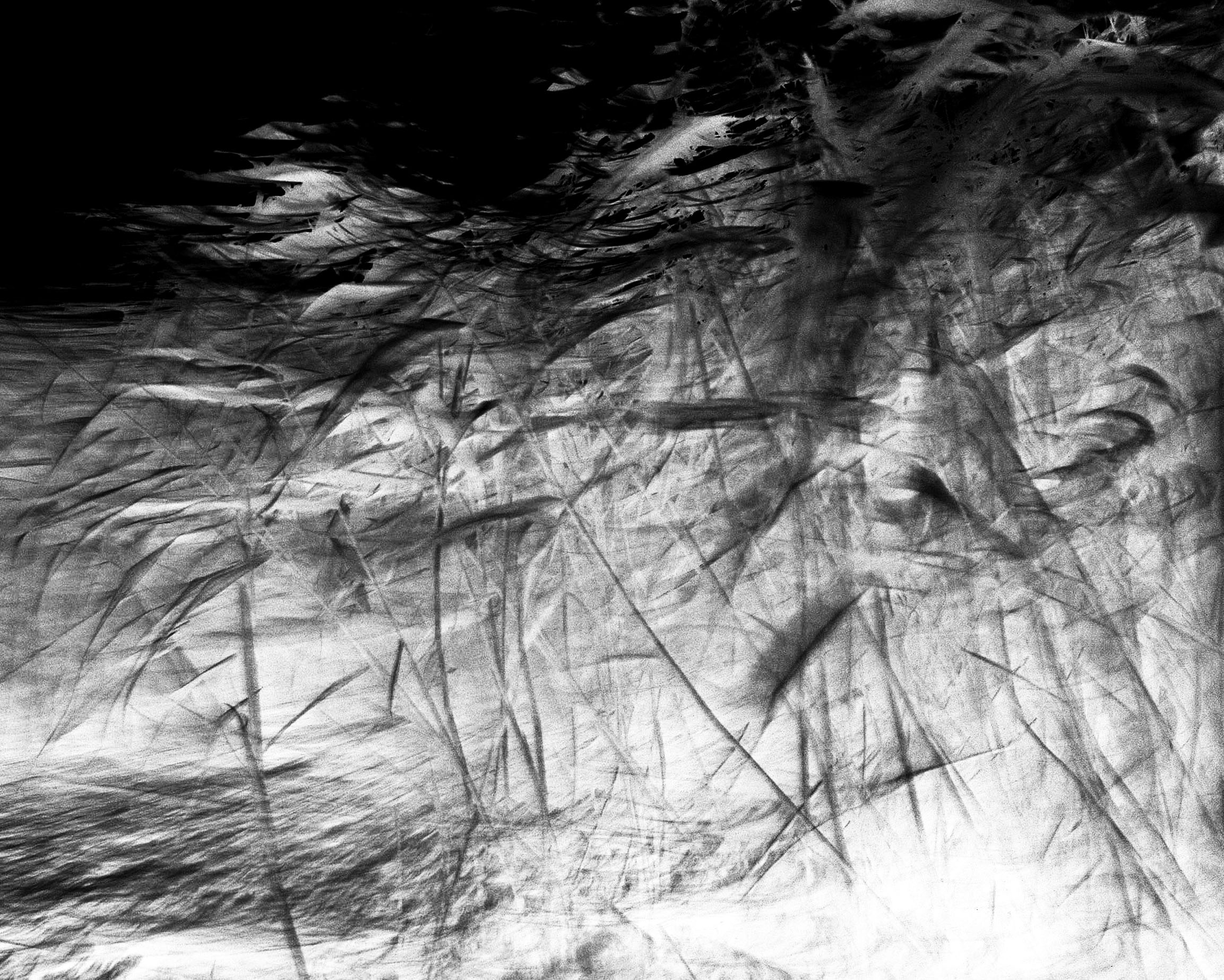
The image of the Danube Delta as a dense landscape of homogenous reed marshes is a product of cyclical burning and harvesting practices of local stewards of the environment. Today with the introduction of strict biosphere conservation legislation, the reeds are let to grow untamed, further mirroring western fantasies of the wild. Within the pixels of satellite imagery, temporal information of the geometries of the wetland can be found, but these are asynchronous with how the environment is experienced by those who dwell within. The dying reeds and the floating 'plaur' change not only the contours of the lakes of the wetlands, but they also alter navigation channels used by fishermen and tour guides. This quality of the Danube Delta makes it inherently resistant to the cartographic, neocolonial gaze.
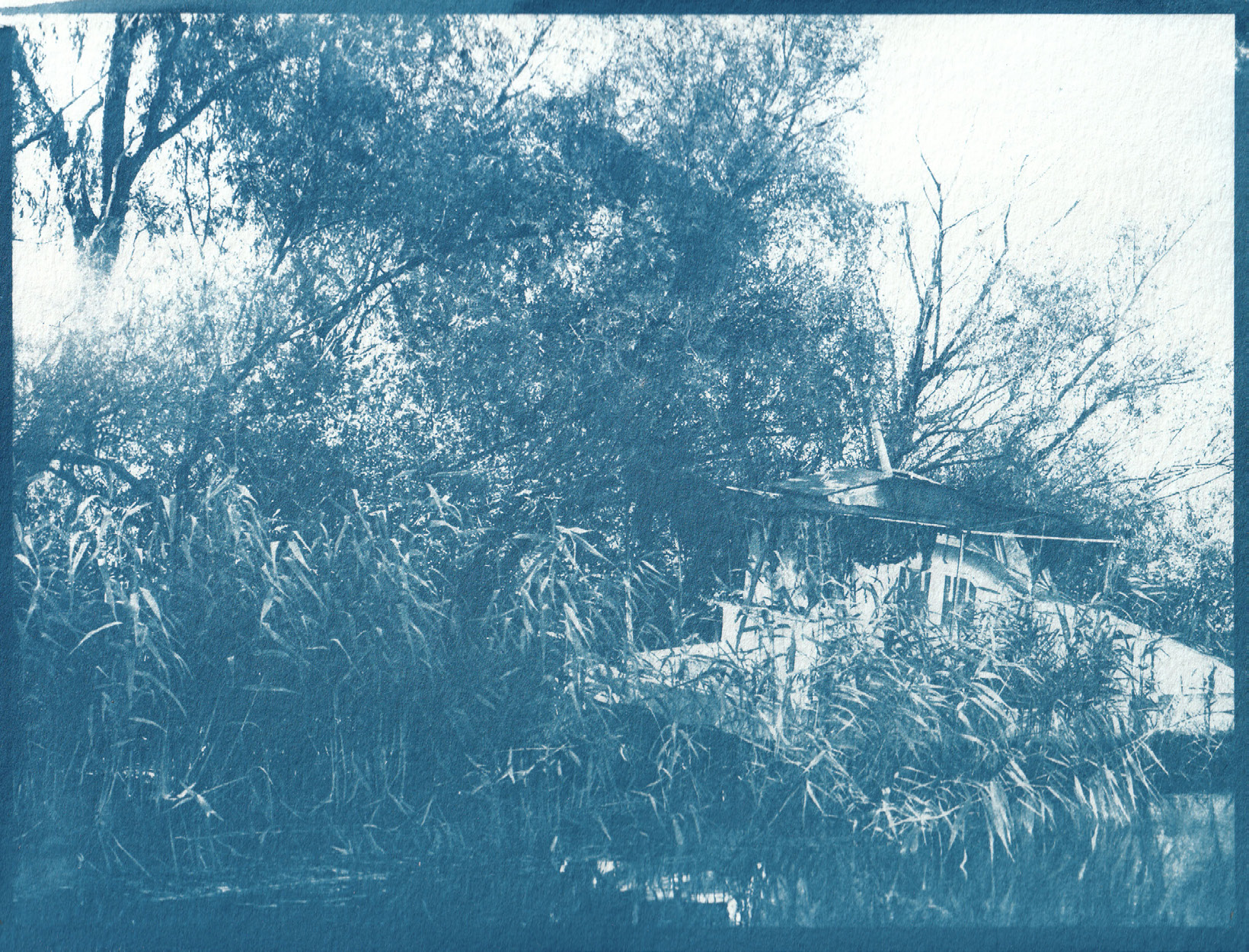
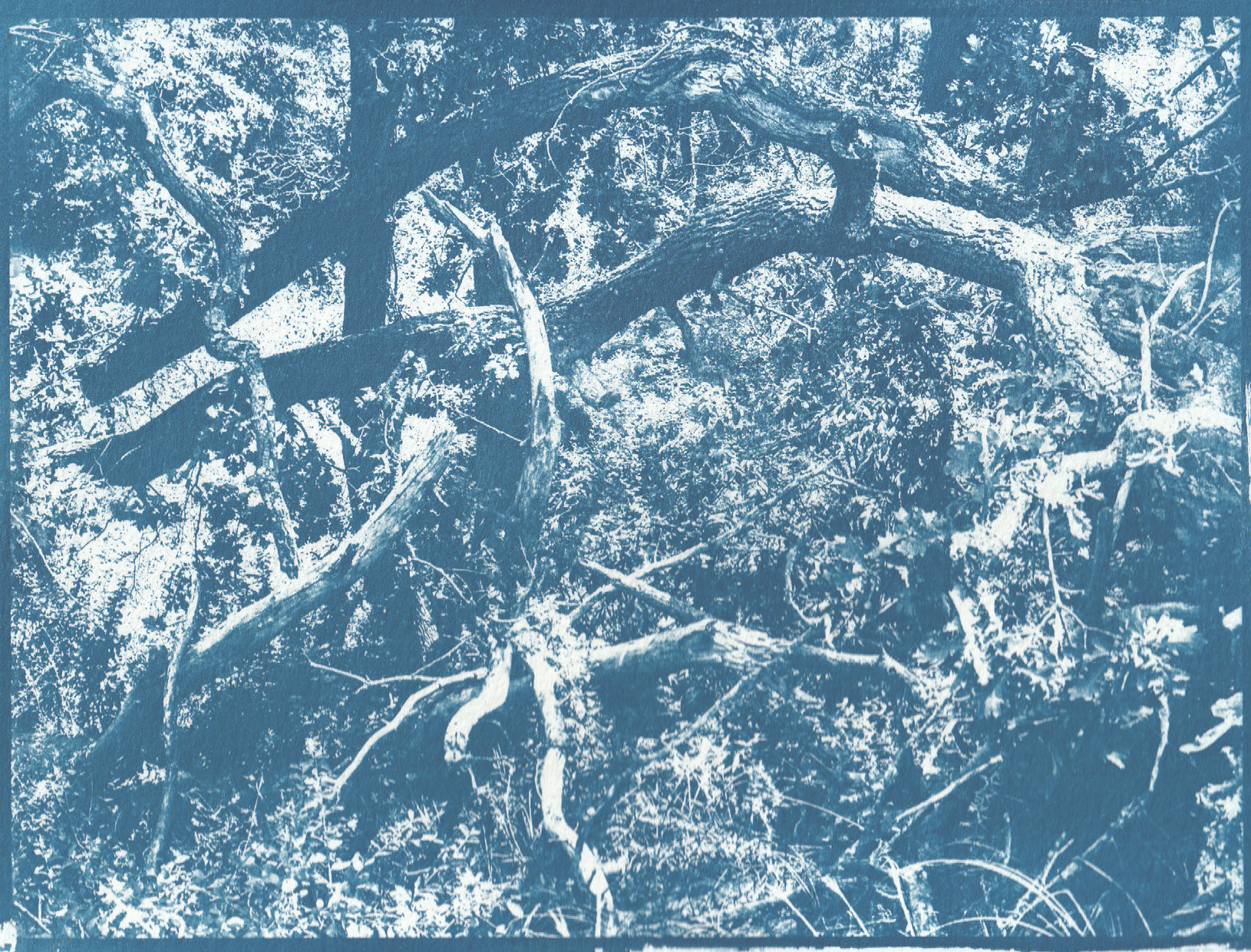
Through archival and field encounters with the delta I became interested in how it is not only a historical site of resistance for humans escaping war or state control, but also a space of refusal for more-than-human ecologies. The reed beds play a key role in filtering out the pollution carried by the Danube, as the excess nutrients are trapped and absorbed by the roots. The altered nutrition causes an increase in stalk density and decrease in height and root mass, thereby transforming the image of the 'plaur' into a material evidence of transboundary pollution of the Danube.
UNDEAD RIVER
DELTA IMAGINARIES
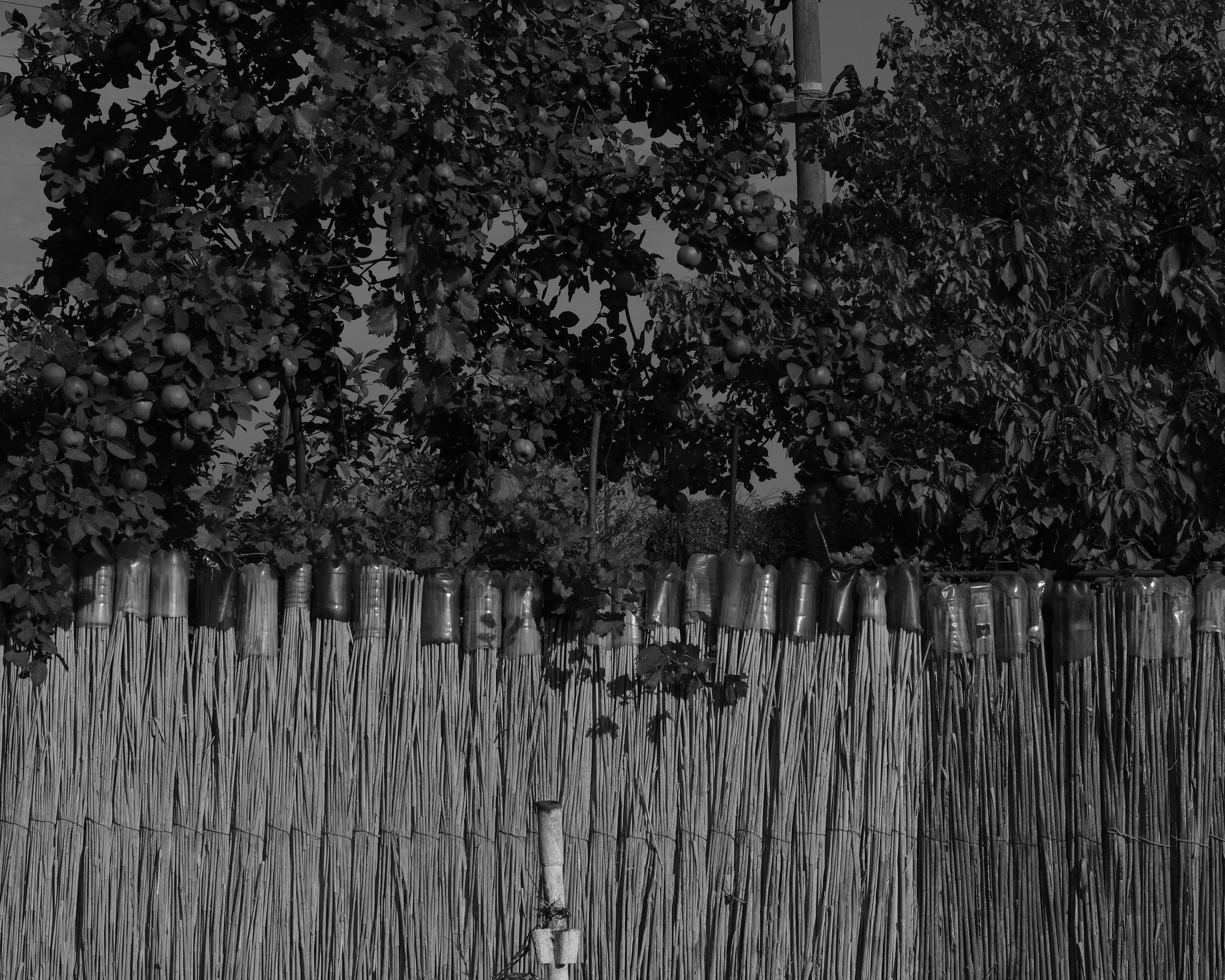
LANDSCAPES OF REFUSAL
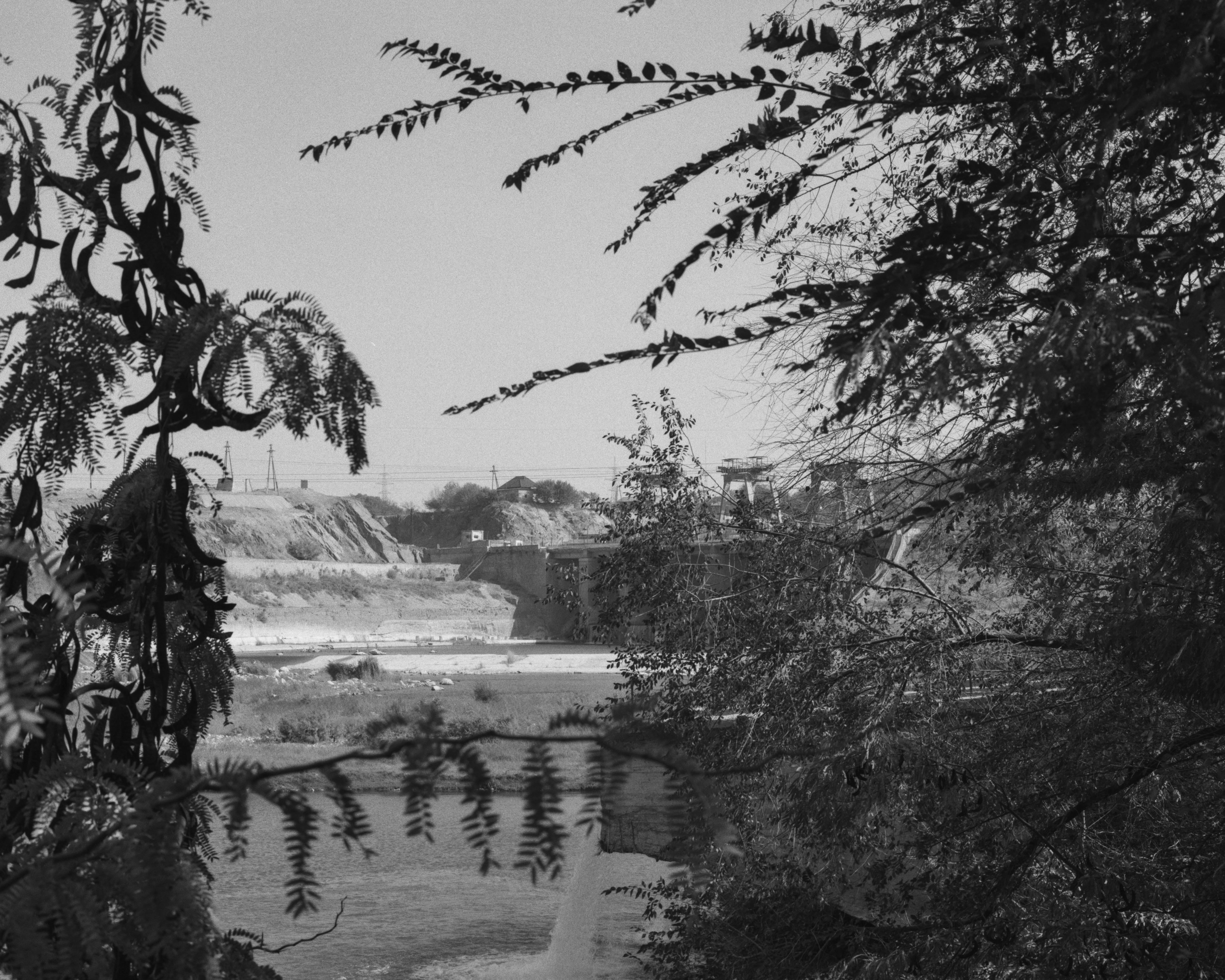
HYDRO-POWER
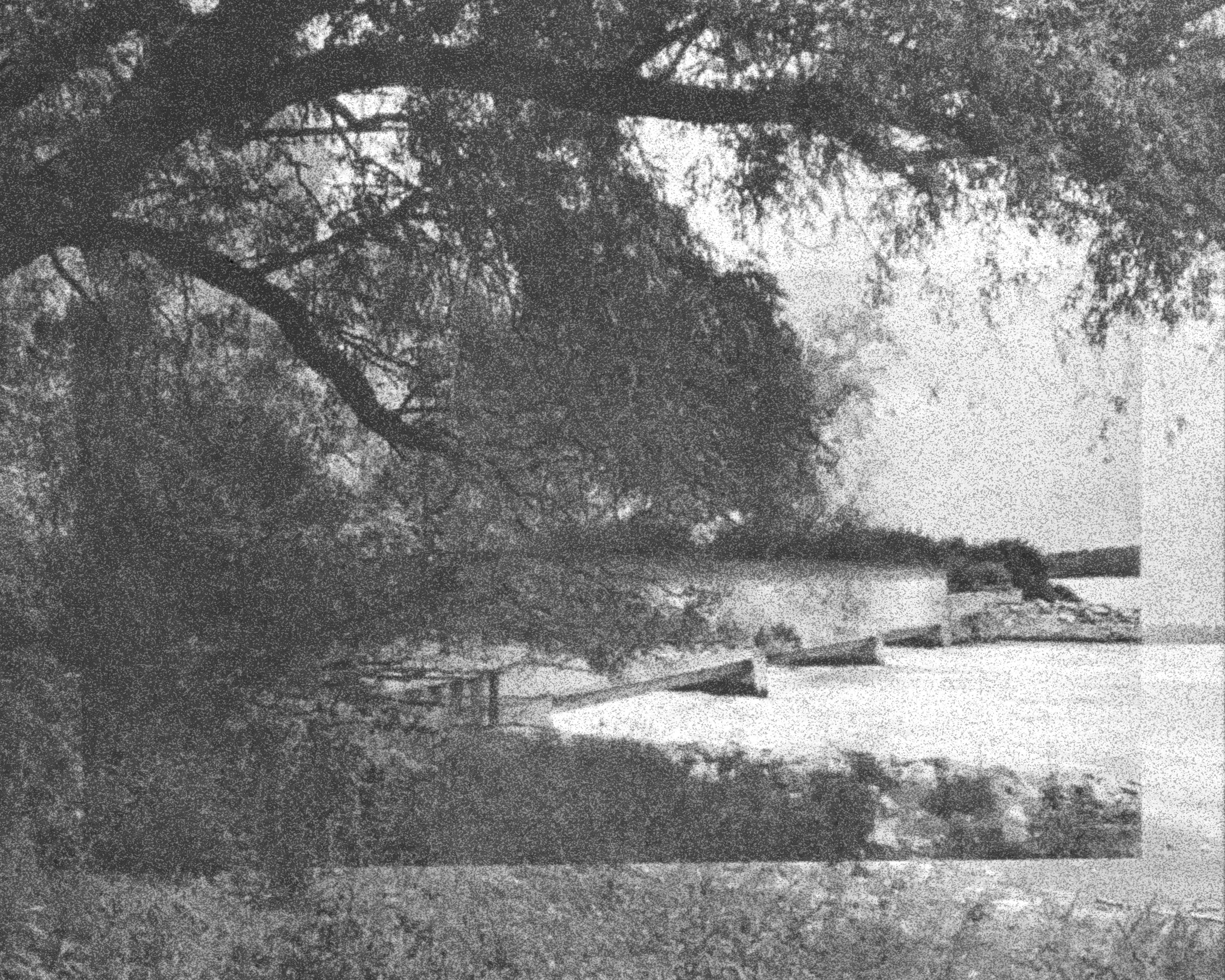
CAN FISH SWEAT