Hydro-Power: State and Energy in Central Asia
2023-2024
Kyrgyzstan, Uzbekistan
research archive; photography; writing; cyanotype
Collaboration with Alp Demiroglu
Supported by
Eidlitz Travel Fellowship
Research presented at the RGS-IBG
Annual International Conference (London)
Exhibited at the
Bibliowitz Gallery (Ithaca, NY)
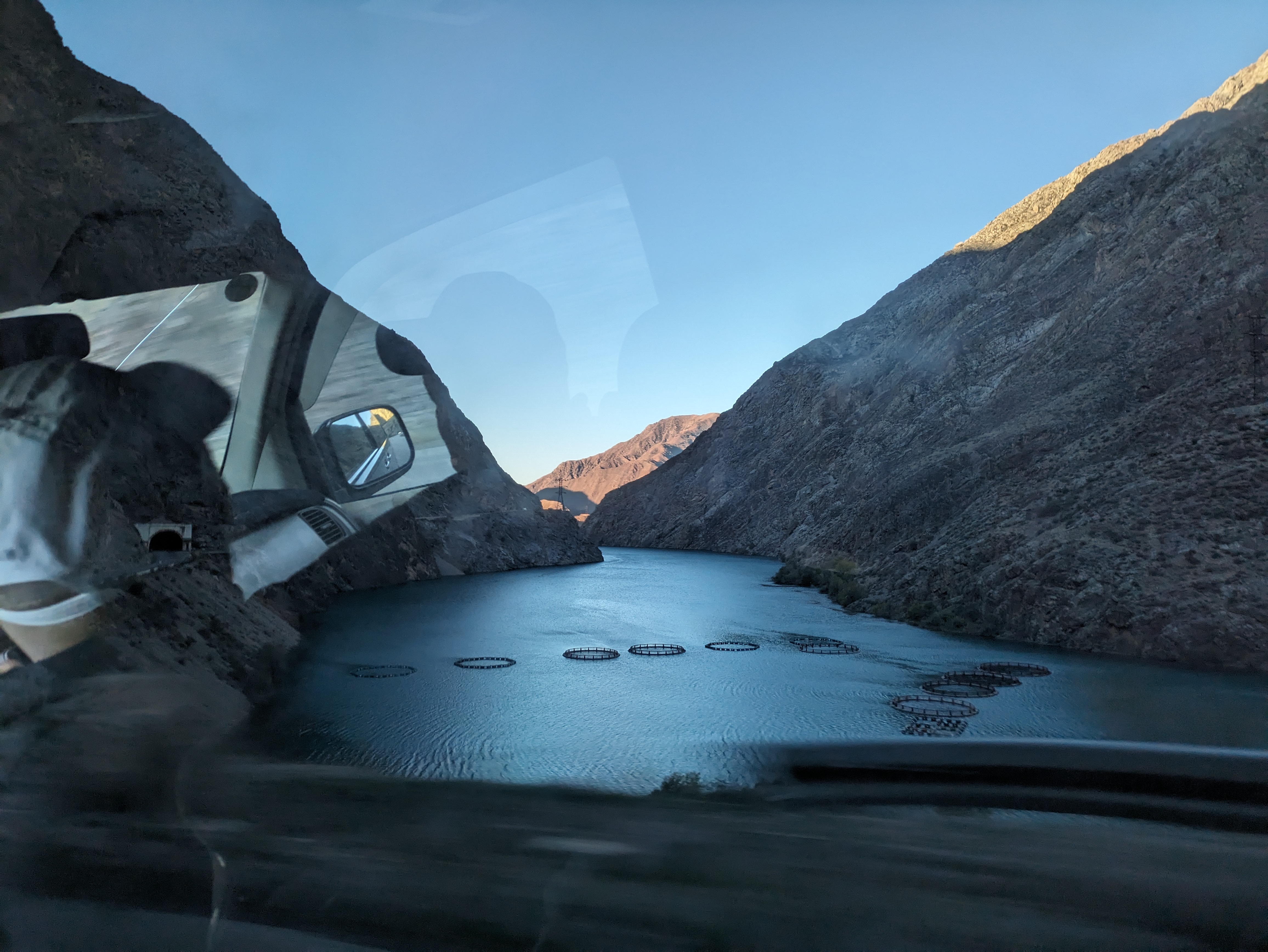
Hydro-power is a concept that encompasses both “hydroimperialism” and the consequent transition to “hydrocapitalism” in the Central Asian context. Both terms are commonly used to mean any form of “water grab” but here they refer to the specific ways in which water, hydraulic knowledge and water management practices reveal and reproduce uneven (social) relations. Within the conditions laid out by hydroimperialism and hydrocapitalism, it is not uncommon that ruling elites appropriate technical objects - like dams - to generate political legitimacy. Hydro-power, then, refers to this political potential that is inherent to the wet-infrastructures studied in this project.
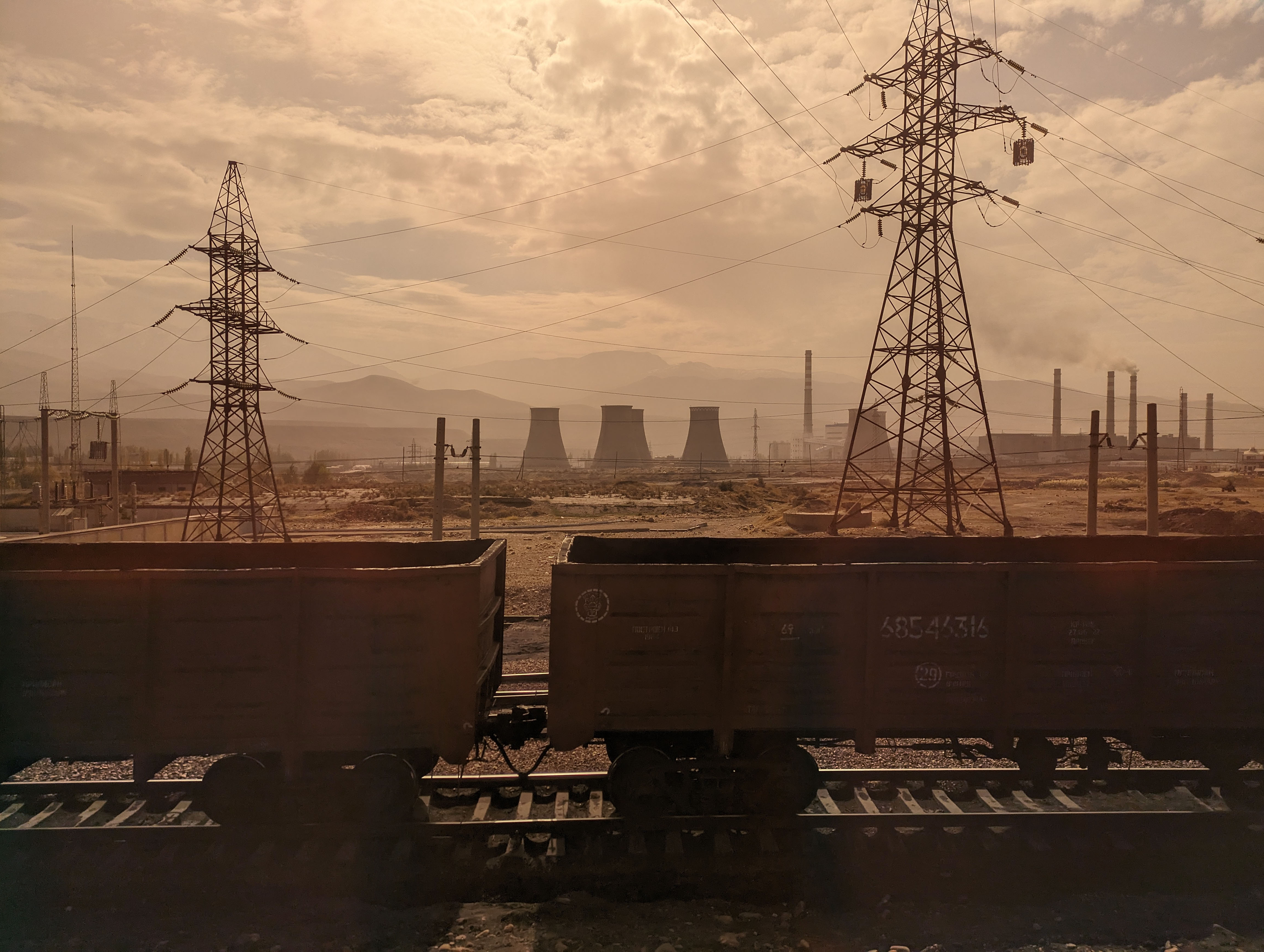
Under the slogan of “Communism is Soviet power plus the electrification of the whole country,” the entire hydro-industrial landscape of Central Asia was rearranged mostly within the span of 30 years. Poorly constructed canals and dams drained water into the sand as the cotton industry expanded in one of the most arid regions of the world, leading to the desertification of the Aral Sea. This region - which has high hydroelectric potential - is now experiencing relative water and energy insecurity. When the Soviet Union collapsed, the centralised resource distribution system that managed the allocation and exchange of water, energy and food also crumbled. As new governments were established, a new set of international relations also emerged between Central Asian countries—primarily to mediate the distribution of water. With the shift from a collective to a market economy and the introduction of global fossil fuel prices, upstream countries were forced to increase hydroelectric production, diverting water that used to be allocated to irrigation downstream. This incompatibility between water demands of irrigation and hydropower have led to the intensification of tensions between upstream and downstream republics.
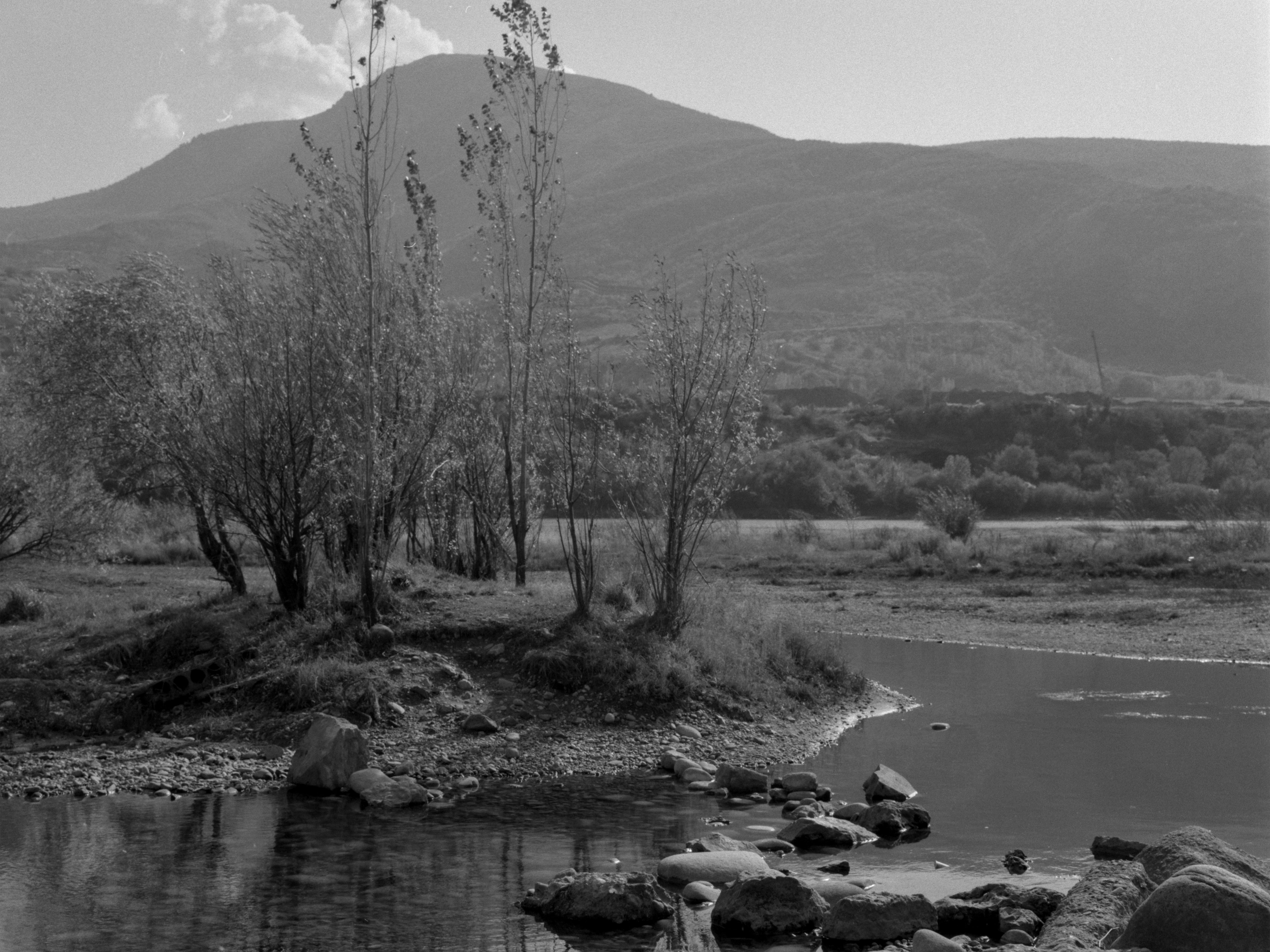
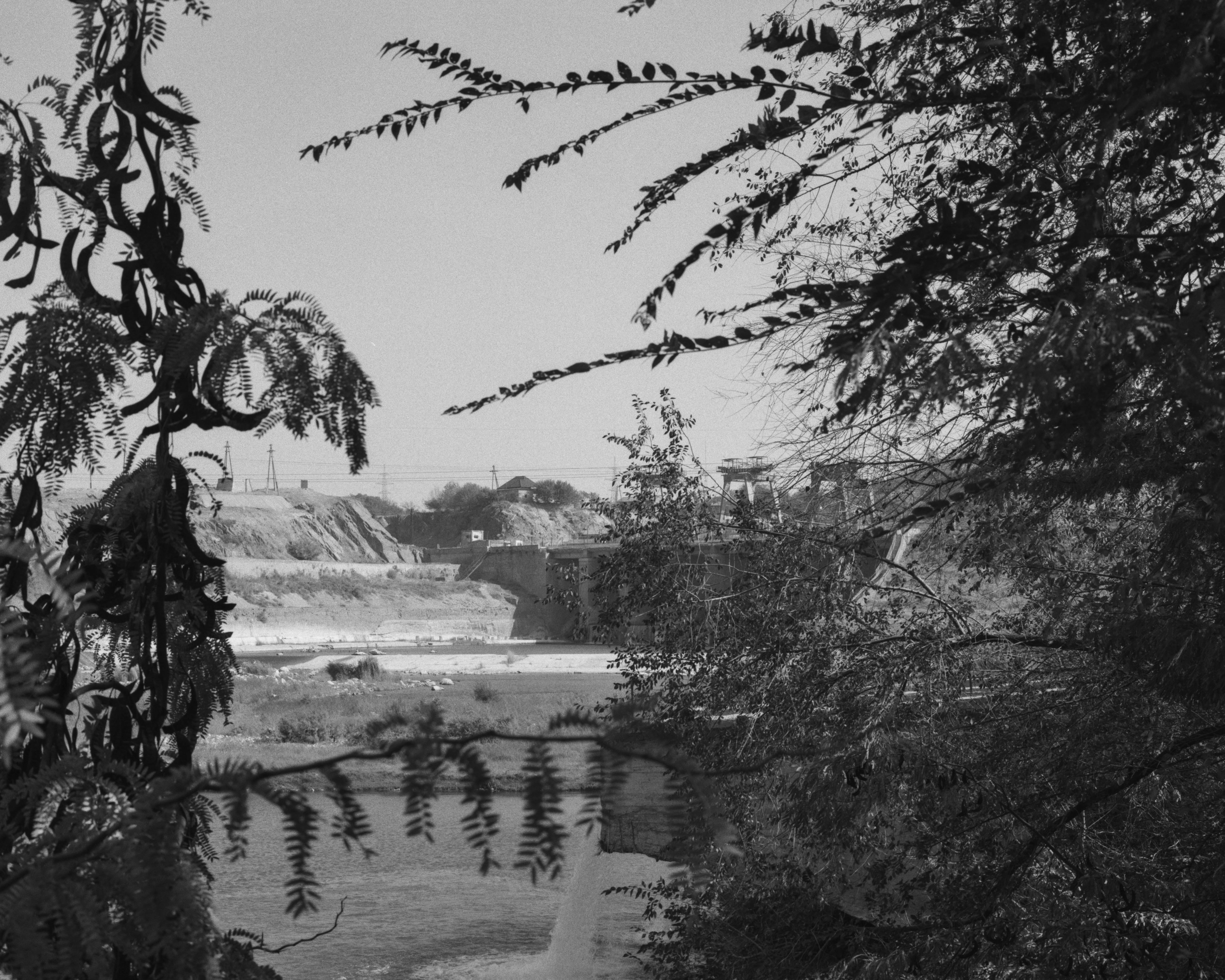
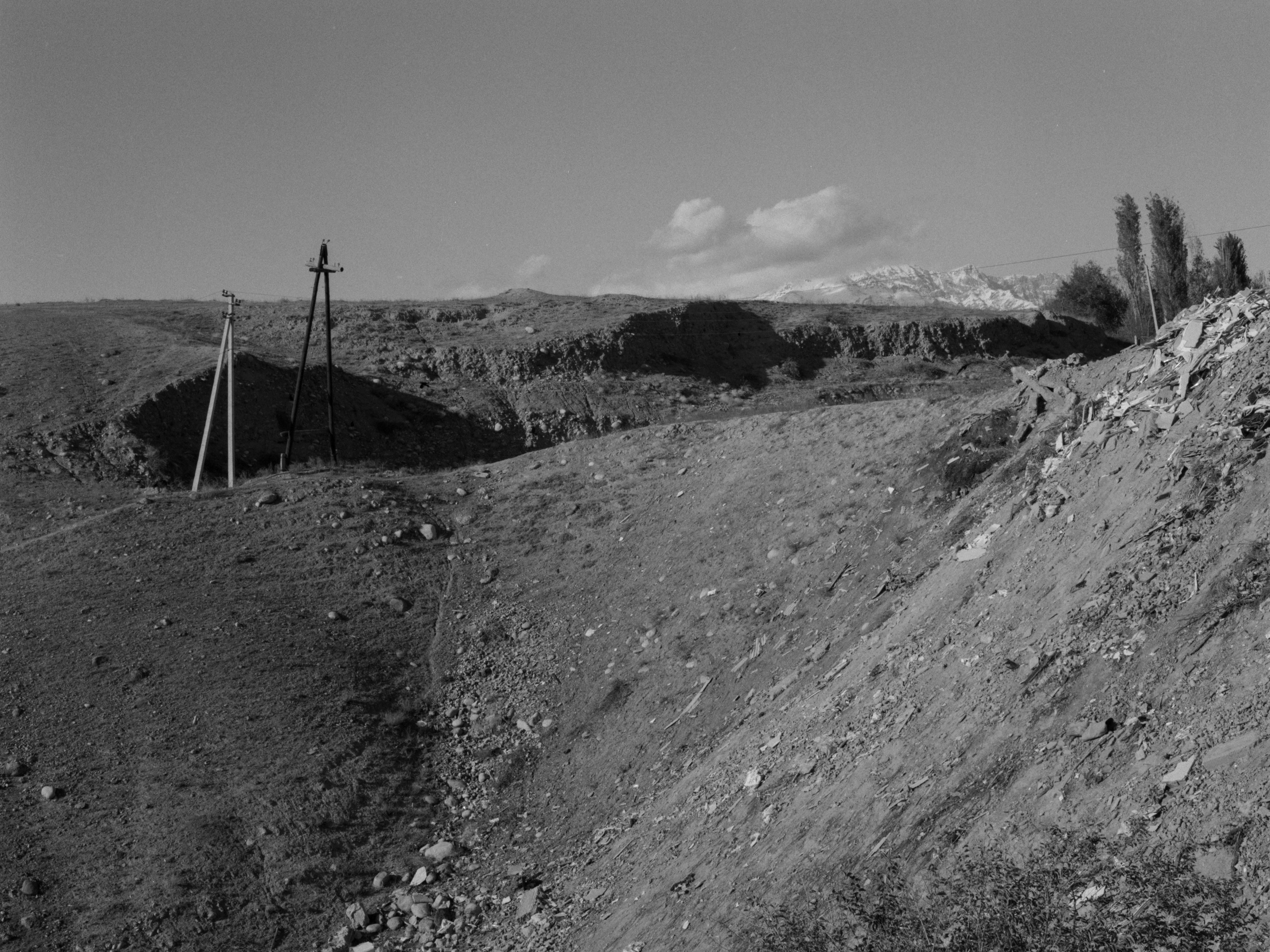
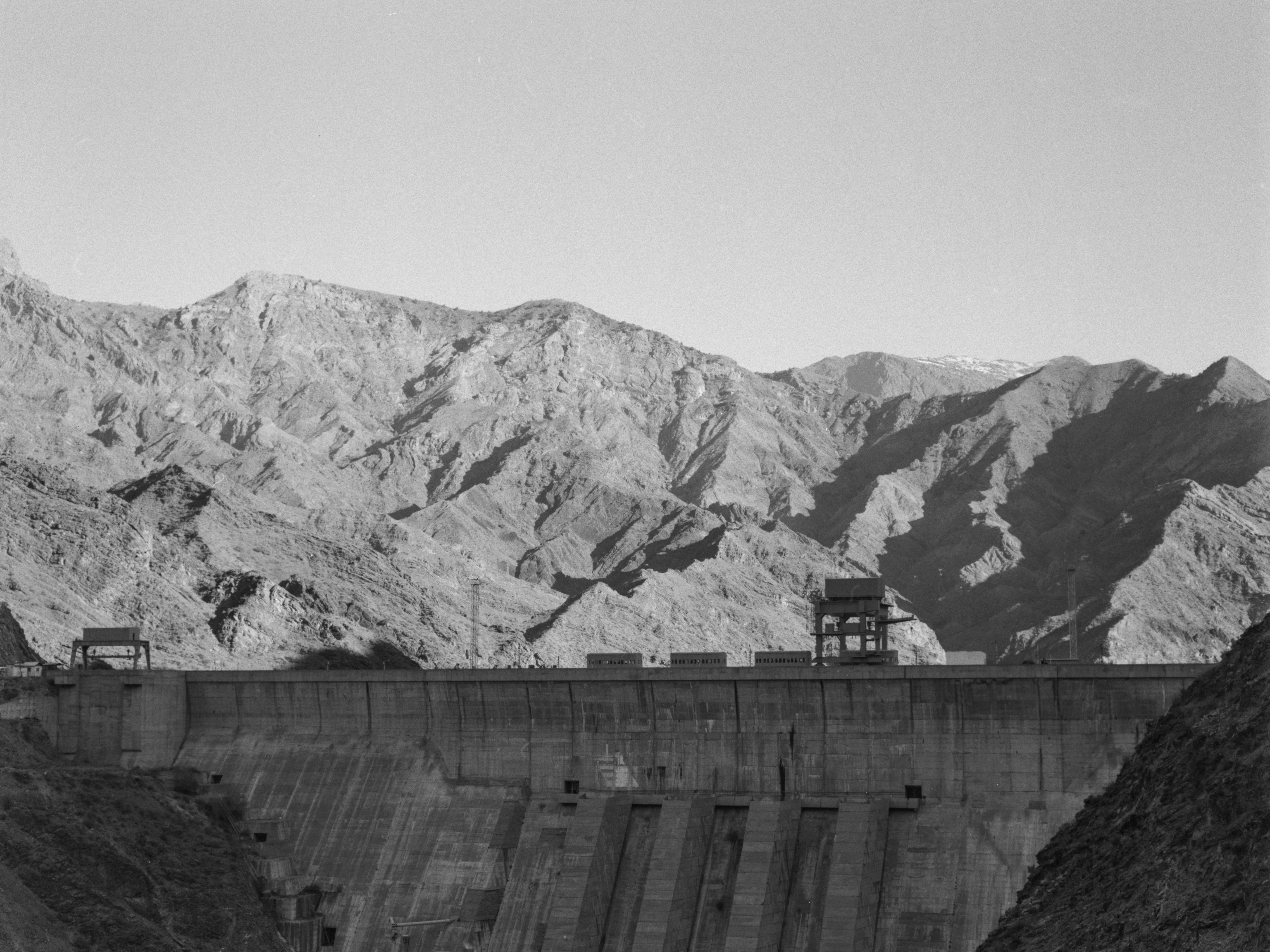
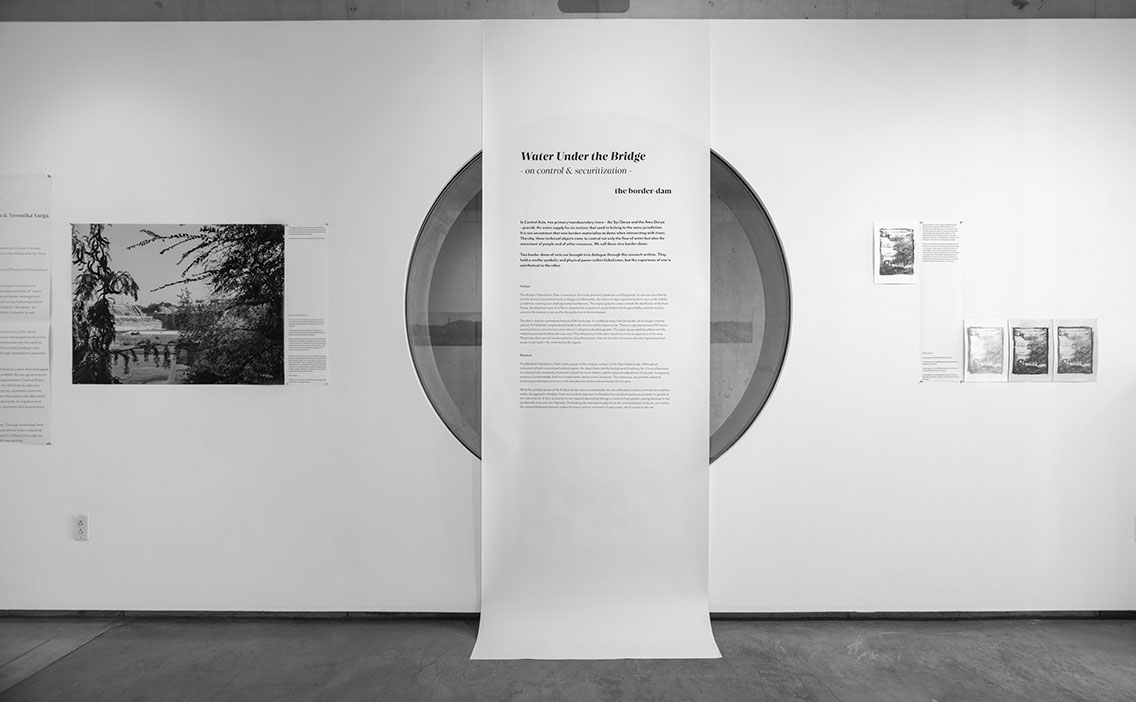
EXHIBITION
This counter-archive is meant to unsettle
the narratives of past and present power. Through embodied field
notes, photography, and other time-based mediums, we make an
imperfect record of how hydro-industrial objects relate to their
broader cultural and environmental landscape. As the research is
filtered through our individual voices, this exhibition brings
our distinct experiences into dialogue with one another.
CYANOTYPE
The cyanotype - invented for the
documentation of plants, but later also adapted for the
reproduction of technical drawings (blueprints) - is an
inherently archival and cartographic medium. Here, this method
is appropriated for the production of counter-archival records
to elaborate on the idea that materials within the archive are
not merely representational, but also evidentiary in
nature.
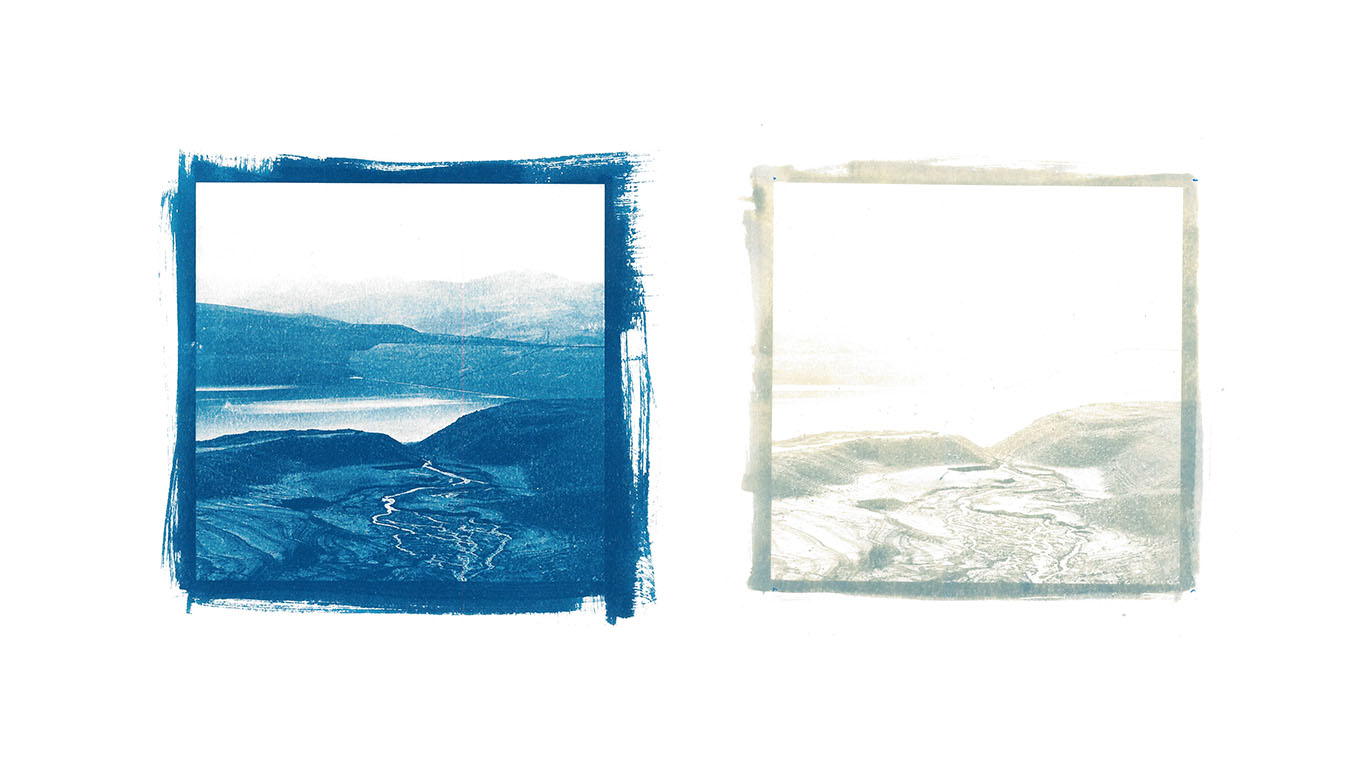
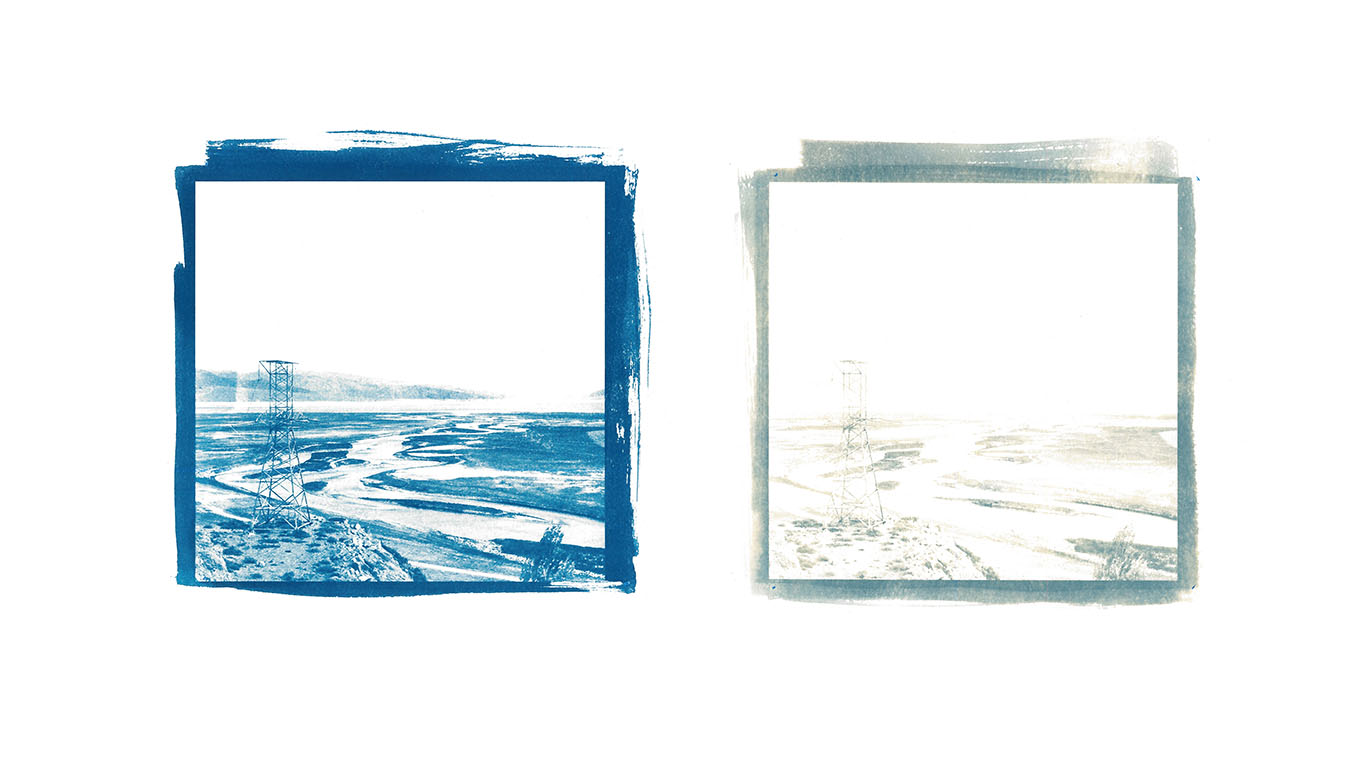
Today, the image of hydroelectric dams - both existing and speculative - is mobilised to exert symbolic, regional power through the production of scarcities. Just as the fluctuating reservoir levels bleach the surrounding landscape, this process of bleaching is used in the making of the fading cyanotypes. The print thus becomes a material expression of the very processes it images.
UNDEAD RIVER
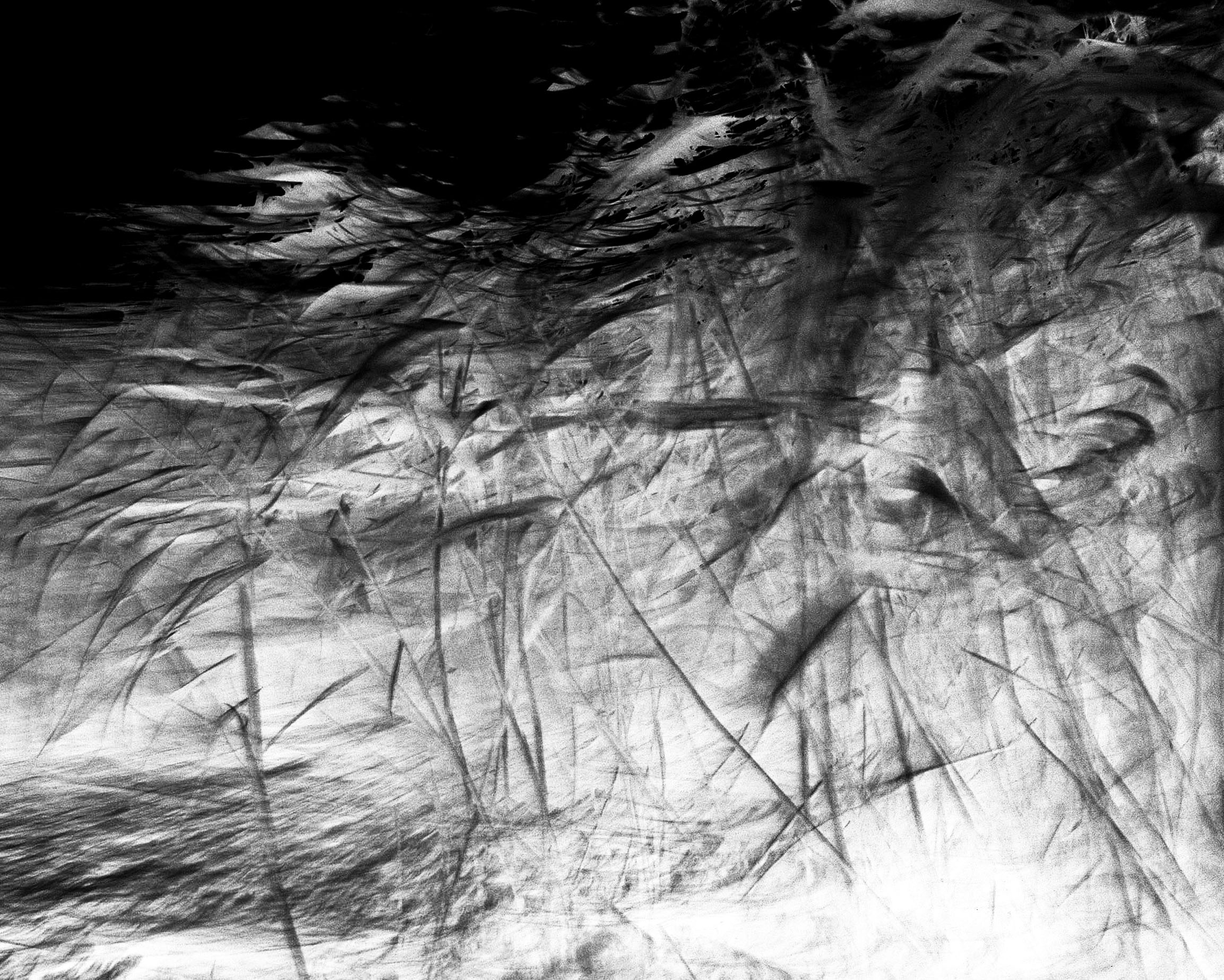
DELTA IMAGINARIES
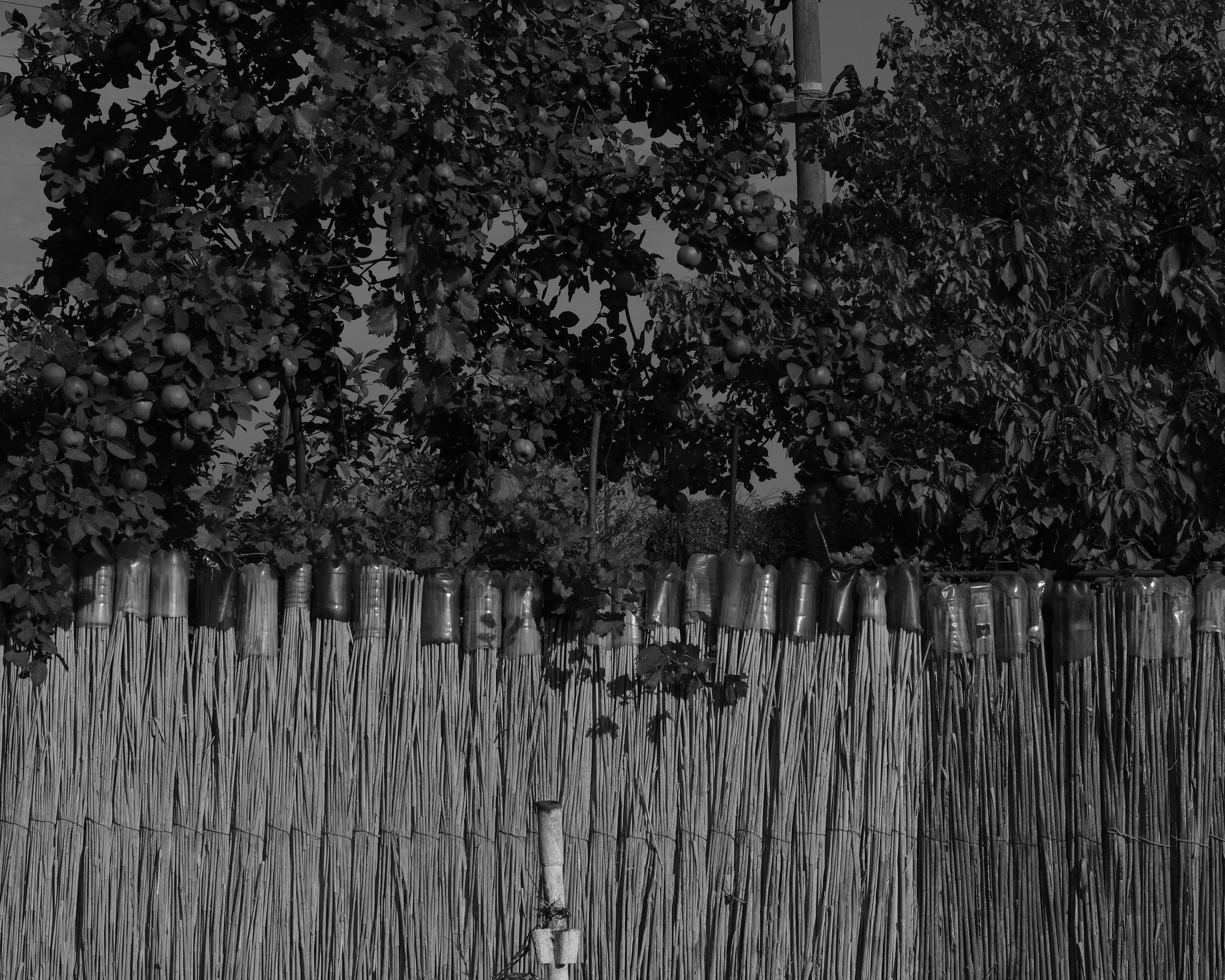
LANDSCAPES OF REFUSAL
HYDRO-POWER
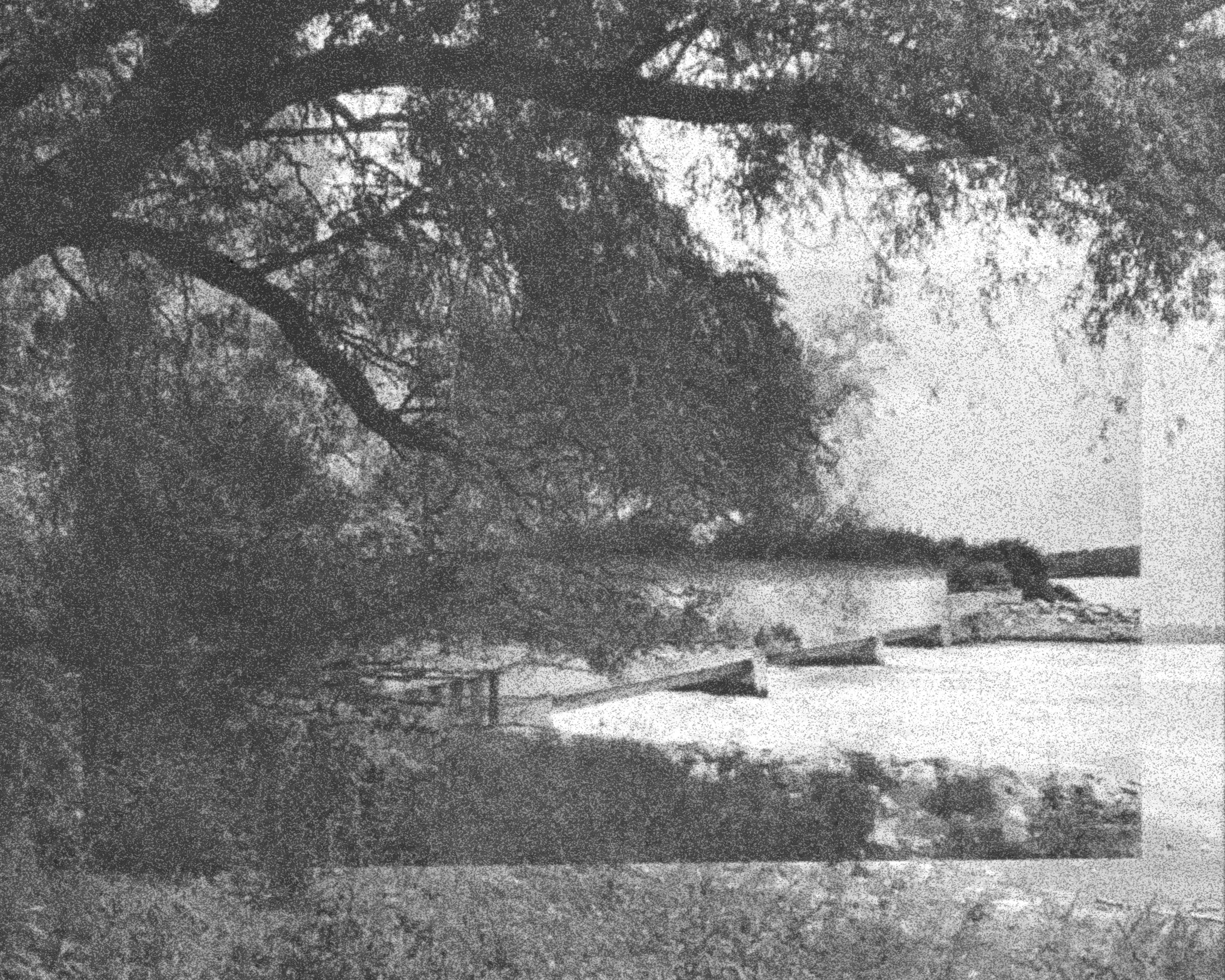
CAN FISH SWEAT